The Drama That Made the World Look Twice at Seoul
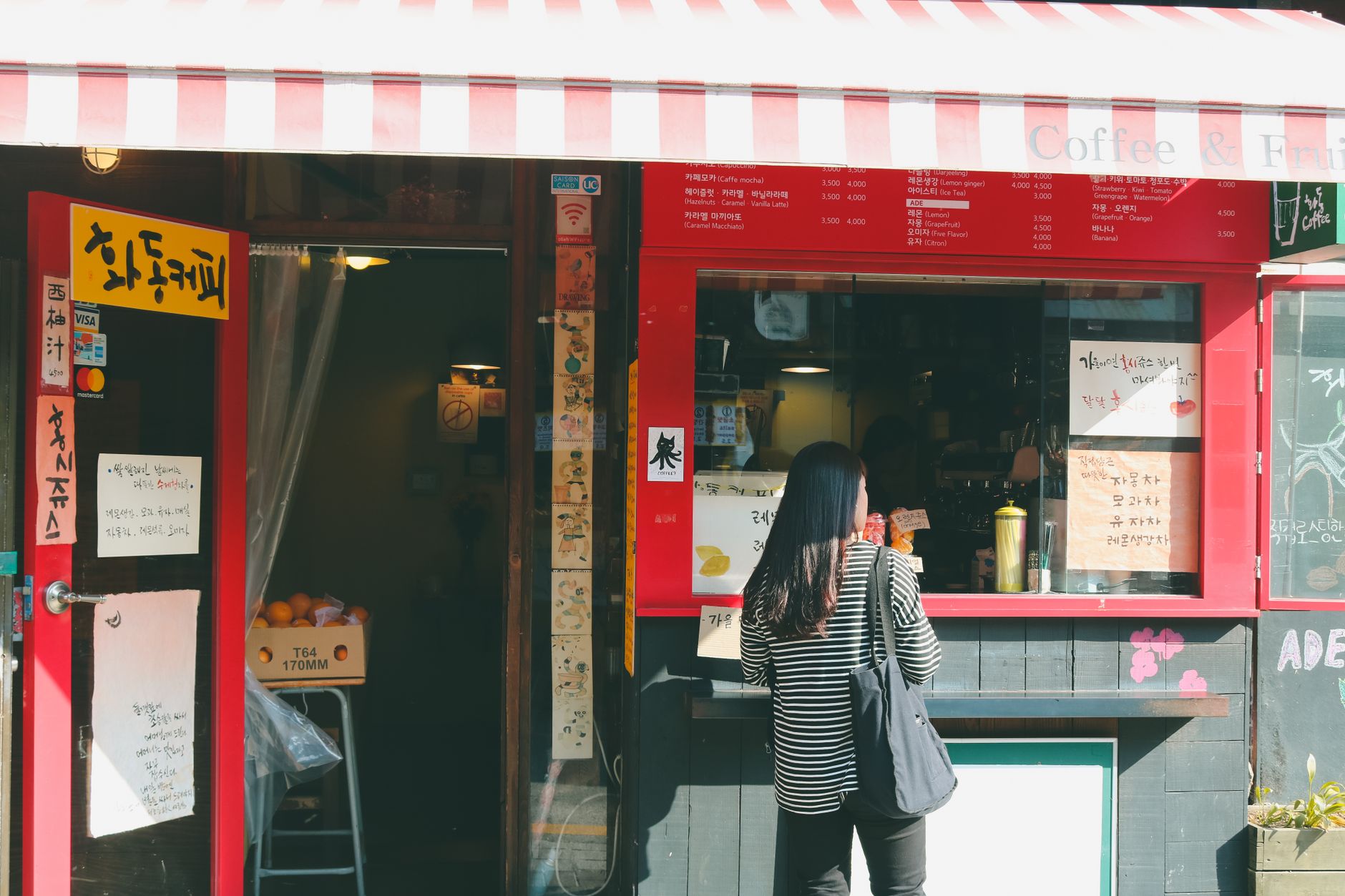
Few television series have sent so many travelers to a single city. Crash Landing on You aired in 2019 and 2020. By the time its final episode ended, Seoul had become a destination people searched for with specific questions: where exactly was that alley, that riverbank, that palace gate.
That precision is what separates CLOY from other dramas. The locations are not generic or interchangeable. They are real places with real spatial weight. Viewers felt that. They wanted to stand inside the frame, not just watch it.
This is a guide to those places. Not a checklist, but a way of seeing them. Seoul rewards the traveler who slows down enough to notice what the camera actually captured.
Bukchon Hanok Village: The Alleys That Held Their Breath
Bukchon sits between two palaces in the northern part of the city. It is a dense network of narrow lanes and traditional hanok homes, most of them still lived in. The rooflines curve in the same direction they have for centuries.
CLOY used these alleys for scenes that needed a sense of hidden Seoul. The texture of old stone underfoot, the silence between buildings, the way the city noise drops when you turn a corner. That silence is still there. Early mornings especially. The village empties of tourists and returns to itself.
Walking Bukchon properly takes time. The named viewpoints are busy. But the lanes behind them are not. That is where the drama actually lived, in the unremarked corners that the production team understood better than most visitors ever will.
The Han River, Exactly as You Imagined It
The Han River runs through the center of Seoul for roughly 41 kilometers. It is wide, slow, and surrounded by public parks. At dusk, the light on the water changes every few minutes. CLOY understood this and returned to the riverbanks repeatedly.
For many international visitors, the Han River is one of their clearest memories from the drama. The scale of it. The bridge lights reflected after dark. The way characters could stand at the edge of a city of ten million people and feel genuinely alone.
That feeling holds in person. The parks along the south bank stretch long and quiet on weekday evenings. Families cycle past. Small groups sit on mats facing the water. The city continues behind them, but at the river's edge, it recedes.
Gyeongbokgung and the Palace District
Gyeongbokgung was built in 1395. It was the primary palace of the Joseon dynasty for centuries before colonial rule damaged much of it. The restoration work that has continued since then makes the complex one of the most visited sites in Korea.
CLOY placed characters here because the palace carries a particular visual authority. The main gate, Gwanghwamun, opens onto a long axial path that leads through successive courtyards. Each threshold marks a change in atmosphere. The architecture does what drama needs: it signals significance.
What the drama could not fully convey is the scale. Standing inside the outer courtyard, the mountains visible beyond the northern wall, Gyeongbokgung reads as a genuine seat of power. A historical weight that screens compress. First-time visitors almost always stop still for a moment at the threshold.

Hillside Seoul: Quiet Neighborhoods Above the City
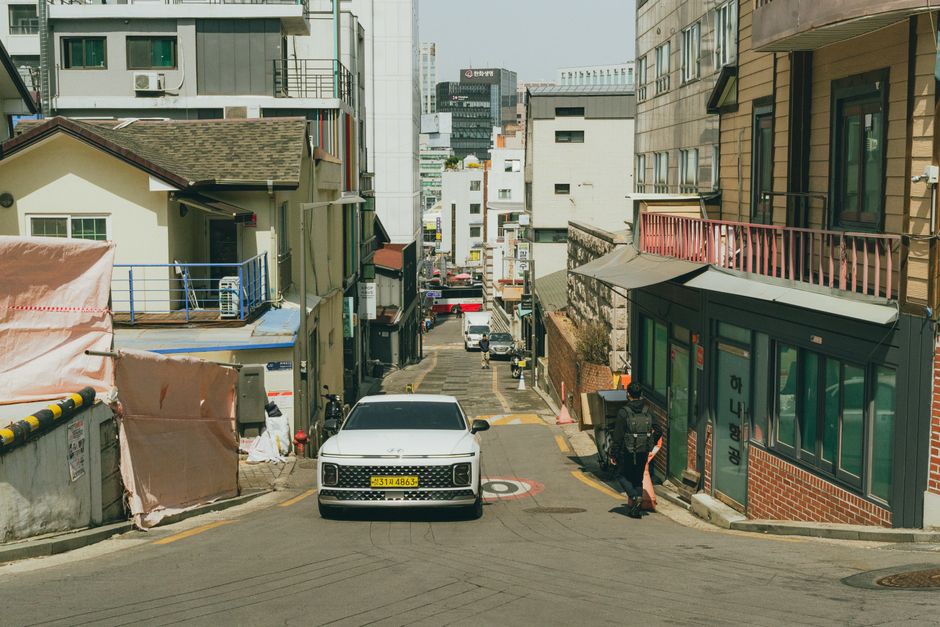
Seoul was built around hills. The older neighborhoods climbed those hills because flat land near the center was already claimed. Some of those elevated districts have remained largely unchanged. Their streets are narrow, their buildings low, and their views over the city are unobstructed.
CLOY used these areas for scenes that needed a sense of private Seoul. Residential streets where nothing significant happens on the surface but where the city reveals its older self. Stairways between houses. A single tree growing between buildings. Laundry visible from a second-floor window.
Guests who have been to Seoul before often say these neighborhoods are what they remember most. Not the palaces or the river, but a particular stairway they walked up slowly and did not want to leave.
These spots reward unhurried visitors. The hillside neighborhoods are not dramatic in an obvious way. They ask you to look carefully, to walk slowly, and to resist the impulse to move on to the next item on a list.
Why Private Access Changes What You See
Seoul's most filmed sites are also its most visited. Bukchon receives thousands of people on busy days. Gyeongbokgung is rarely quiet during peak season. The Han River parks are always occupied. This is not a problem unique to K-drama tourism. It is the nature of visible places.
What private guidance changes is timing and focus. A guide who knows when Bukchon's upper lanes are walkable without crowds, who can identify which path through the palace district matches the drama's actual camera angle, who can bring you to a Han River viewpoint at the right hour, changes the experience fundamentally.
Surface-level visits are possible without guidance. But the filmed Seoul of CLOY was not the surface. It was the chosen moment, the specific angle, the deliberate absence of crowds. That requires local knowledge and the right timing. Both are things a private tour provides.
How to Plan Your Visit
NGT builds K-Drama Location Tours around exactly these considerations. The itinerary covers Bukchon Hanok Village, the Han River parks, the Gyeongbokgung district, and the hillside neighborhoods that rarely appear in standard Seoul tour programs. Timing is structured around crowd patterns and light.
All NGT tours run privately. No shared group, no fixed departure schedule. The pace adjusts to how you move through a place. If a lane in Bukchon asks for more time, you stay. If the Han River light is right earlier than expected, the itinerary shifts.
The best time to visit most of these locations is spring or autumn. Bukchon in April, with the cherry trees visible above the rooflines, is a different experience from summer. The Han River at sunset in October carries a particular quality of light. Both are worth the specific planning they require.