The Difference Is Not the Destination
Most visitors arrive carrying the same short list: Gyeongbokgung, Bukchon, the Han River. The checkboxes are identical across thousands of itineraries. What separates an ordinary trip from an unforgettable one is not found on any list.
A private guide does not rewrite your itinerary. They rewrite what the itinerary means. The gates you planned to photograph become something you want to understand.
Context is invisible until you have it. Once you hold it, every corner of the city carries new weight. You stop seeing decoration and start reading history.
That shift does not require special preparation. A private guide makes it happen consistently and without friction. The experience you hoped for is the one you actually have.
Morning: The City Before the Crowds
The first hour at Gyeongbokgung belongs to a different Seoul. Before tour buses arrive and the forecourt fills, the stone paths hold a rare quiet. The mountain behind the palace stands sharp against the morning sky.
Your guide arrives knowing exactly when to be there. They plan for the light and the silence as much as for the history. This is timing as a professional skill.
You stand at the axis the architects aligned to the mountain. Your guide explains why the architects calculated the proportions this way. You hear the reasoning built into the ground beneath your feet.
Most visitors see a beautiful old palace. A visitor with a private guide sees a deliberate political statement in stone. The same stones carry completely different weight.

The Conversation Between Stops
The most useful transfer of knowledge happens between sights. As the vehicle moves to the next neighborhood, your guide begins talking. The format is a conversation, not a lecture.
You ask why elderly men bow at certain street corners. You hear about the Korean War, the divided families, a city rebuilt from almost nothing. None of this appears on any museum placard.
Seoul holds more compressed history than most cities its size. Your guide carries that history personally, not academically. Their grandparents lived through the decades they describe.
By the time you step out at the next stop, the street looks different. The change is not in the street. The change is in the information you now carry.
Where You Eat Is Part of the Tour
Your guide does not give you a restaurant recommendation. They take you to a specific table. There is a real difference between those two things.
A recommendation is a list with your name removed. A guide chooses based on years of knowing what this city does well. You arrive at a table someone chose with care.
You sit where locals sit, at tables that do not appear on international food apps. The kitchen handles this dish well today, in this season. A guide who can explain that makes the meal worth carrying home.
Korean food carries centuries of regional identity and ritual. A dish placed in front of you has a story. A guide who tells that story makes lunch part of the tour.

Reading a Neighborhood You Would Have Walked Past
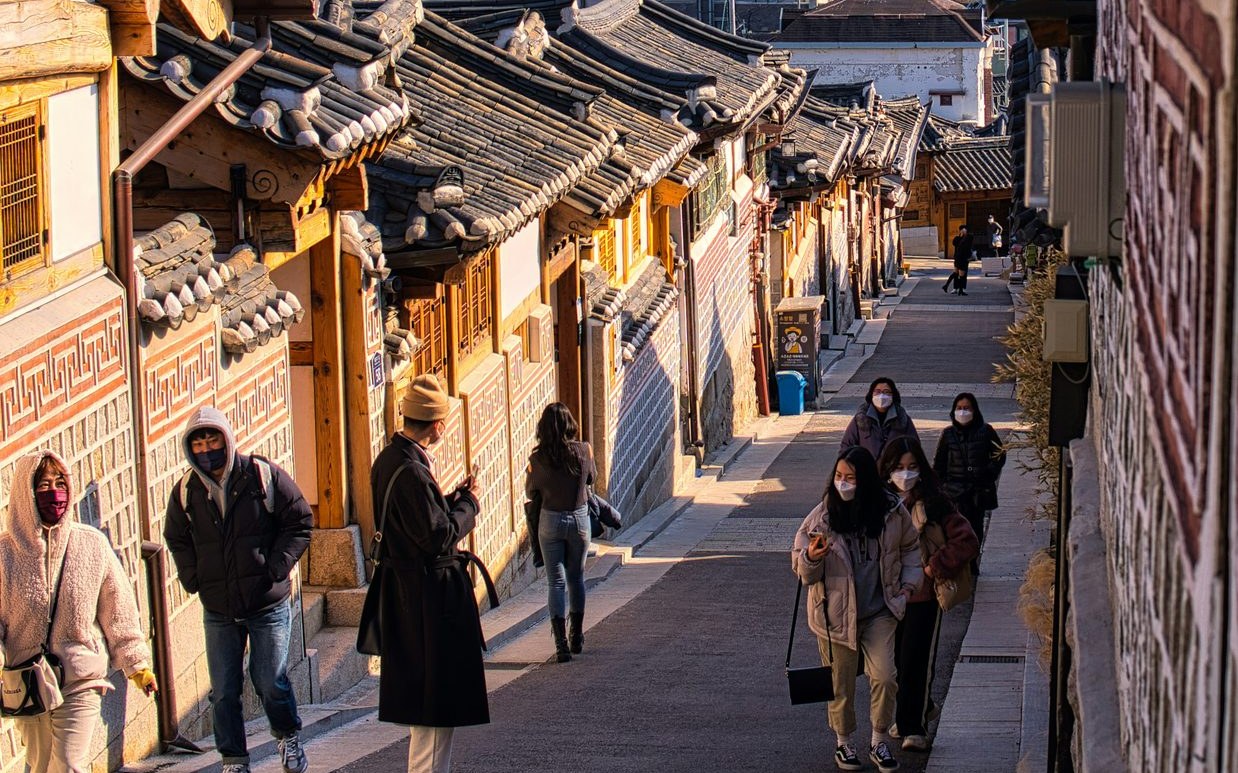
Bukchon looks beautiful in photographs. On the ground, without context, it can feel like a stage set. Most visitors photograph it and move on without understanding what they saw.
A guide walks you to a specific gate and tells you who lived there. They explain the social hierarchy these walls once enforced. The height of each entrance was a visible measure of class.
The architecture of this neighborhood is a social document. Every gate, every wall height, every courtyard proportion was intentional. A guide translates that document into language you can hear.
Every hanok holds a history the facade keeps quiet. A private guide reads it aloud. After that, you cannot walk past a roofline without hearing something.
The Day You Carry Home
By evening, you have covered the same ground as any other visitor to Seoul. The streets and the gates are identical on every tourist map. The difference between your day and theirs is depth, not distance.
I thought I was coming to see Korea. I did not expect to understand it.
That depth comes from hours spent beside someone who knows this city with real care. Your guide answers honestly and adjusts the day to what captures your attention. Those small decisions add up.
The understanding you carry home outlasts the photographs by months. A photograph shows what stood in front of you. The understanding your guide gave you shows what it meant.
A well-guided day does not end when the car drops you off. It continues in the conversations you have at dinner that evening. You move through the rest of your trip differently, more slowly, more curious.