What Is Hanbang?
Hanbang is the practice of applying traditional Korean herbal medicine to the skin. It draws from a medical system more than a thousand years old. The same herbs that once healed the body now restore the skin.
Traditional Korean medicine views the body as a system of balance. Heat, cold, moisture, and dryness each shape how skin looks and feels. Hanbang skincare addresses these internal states, not just the surface.
At its core, hanbang treats a clear complexion as a sign of inner health. A practitioner does not separate outer care from inner wellness. They are one act, expressed through different tools.
The word comes from han, meaning Korean, and bang, meaning medicine. It is not a beauty trend. It is a living system. Modern Seoul carries it forward into spas, apothecaries, and treatment rooms.
The Ingredients Behind the Ritual
Ginseng is the most recognized hanbang ingredient. Its root carries a dense, earthy warmth. Koreans have used it for centuries to restore energy and vitality. On the skin, it firms and brightens with continued use.
Mugwort grows across the Korean hills and countryside. Its scent sits between fresh grass and dried herbal tea. It calms irritated skin. Folk healers used it long before dermatology named its properties.
Rice water, green tea, and licorice root complete the classic palette. Rice water softens the surface. Green tea calms visible redness. Licorice root evens the tone slowly and steadily. Each ingredient carries a sensory identity as strong as its botanical function.
None of these ingredients arrived as beauty trends. Each earned its place through generations of documented use. Hanbang does not borrow from nature for effect. It works from nature as its founding logic.
Layering as Philosophy
Western skincare often searches for one product that does everything fast. Hanbang works differently. There is no shortcut built into the system. It builds slowly, layer by layer, asking the skin to receive.
A toner prepares the skin's surface. An essence feeds deeper layers. A serum concentrates active botanicals. An oil seals everything in. Each step serves a purpose, and none of them rush.
This sequencing is not just practical. It is philosophical. The ritual asks you to stay present for each application. Skin, in this tradition, responds to attention.
This idea reflects something deeper in Korean culture. Good things accumulate over time. A single session does not achieve skin health. You build it through consistency and quiet attention over months.
Seoul's Living Interpretation
Seoul holds hanbang lightly but firmly. You feel it in apothecary spaces where dried roots and petals line wooden shelves. You sense it in treatment rooms where a practitioner moves with slow, deliberate hands.
Contemporary Korean beauty has not abandoned hanbang. It has refined it. Formulations are cleaner. Textures are lighter. But the core principle, that plants and patience restore the skin, holds firm.
The practitioners who carry this tradition believe in it deeply. That belief passes through the hands. You feel it in the pressure of a warm compress. The pace is unhurried throughout.
Some spaces in Seoul exist entirely around this tradition. Visitors enter and slow down. Dried herbs, long silences, and a warm towel create something that feels rare. The luxury of time, taken seriously.

What a Visitor Actually Feels
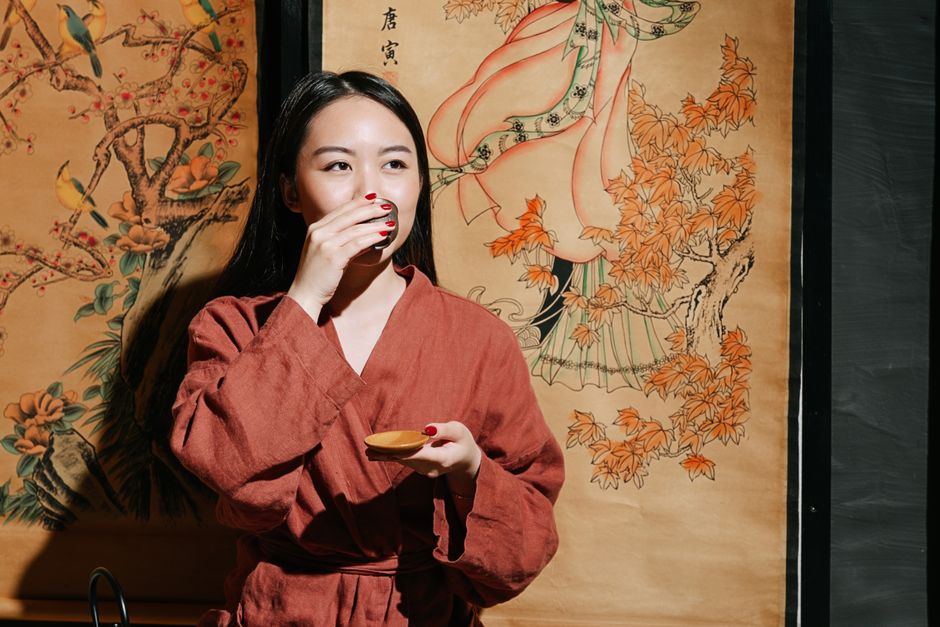
A hanbang treatment in Seoul does not feel like a standard spa visit. It feels like a ceremony. The practitioner moves with quiet precision. Every step receives full attention.
The sensory experience is grounding from the first moment. Ginseng root carries a deep, woody warmth on the skin. Mugwort mist settles the nerves with a quiet herbal breath. Steam opens the pores gently, without force.
By the end of a session, most visitors feel calmer. The treatments do not stimulate. They restore. That is what restoration feels like. The body feels that distinction before the mind names it.
I came for the skincare. I stayed for the silence.
Western travelers often arrive expecting a product showcase. They leave having experienced something closer to ritual. That shift is what makes a session in Seoul stay with you.
The Ritual That Travels Home
The most durable thing about hanbang is what it teaches. You return home with a different relationship to your morning routine. Not faster. Slower. More attentive. That reorientation is the first gift.
The ingredients travel too. Ginseng masks, mugwort toners, and rice water mists are available outside Korea now. But they carry a different meaning once used in the city of origin.
Hanbang reveals a Korean idea about care. It is not reactive. It is preventive. Not corrective, but accumulative. No single session fixes the skin you want. You build it over months of small, consistent gestures.
Seoul teaches this quietly. You do not learn it from a label. You learn it from the pace of a treatment, the weight of a warm towel. And the smell of something ancient on your skin. It arrives slowly, like the tradition itself.