The City That Plays Every Role
Seoul has played a hundred different characters on screen. Joseon palace courtyards at dusk, rain-slicked alleys at midnight. Each drama layers a new story over the same geography.
What stays constant is the city beneath all of it. Ten million people move through Seoul every day. They live their daily lives in the same streets where scenes were filmed.
This is what makes Seoul different from a film set. A set is built for one story, then dismantled. Seoul was here before the cameras, and it will be here long after any final season.
Palaces on Screen, Palaces in Person
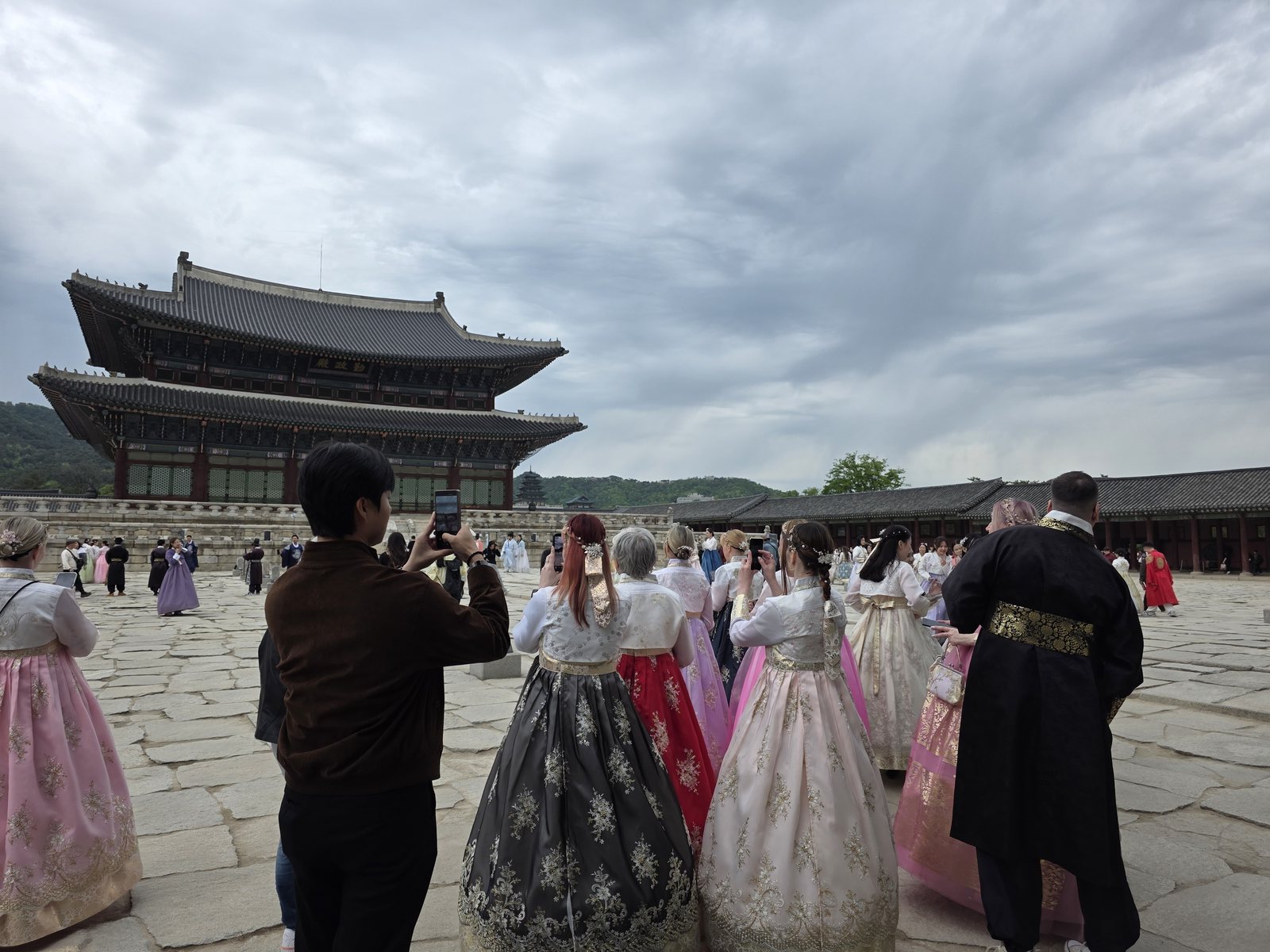
Gyeongbokgung appears in more historical dramas than any other site in Korea. On screen, it carries the weight of empire. The vast stone courtyard signals that something consequential is approaching.
In person, the palace earns that weight in different ways. In late autumn, the ginkgo trees along the northern path turn deep yellow. In winter, early snow on the curved rooftops makes its own kind of silence.
Changdeokgung operates at a more intimate scale. Its Secret Garden sits behind the main palace, requiring a separate timed entry. Most visitors who arrive at the main gate never reach it.
Along the Han River
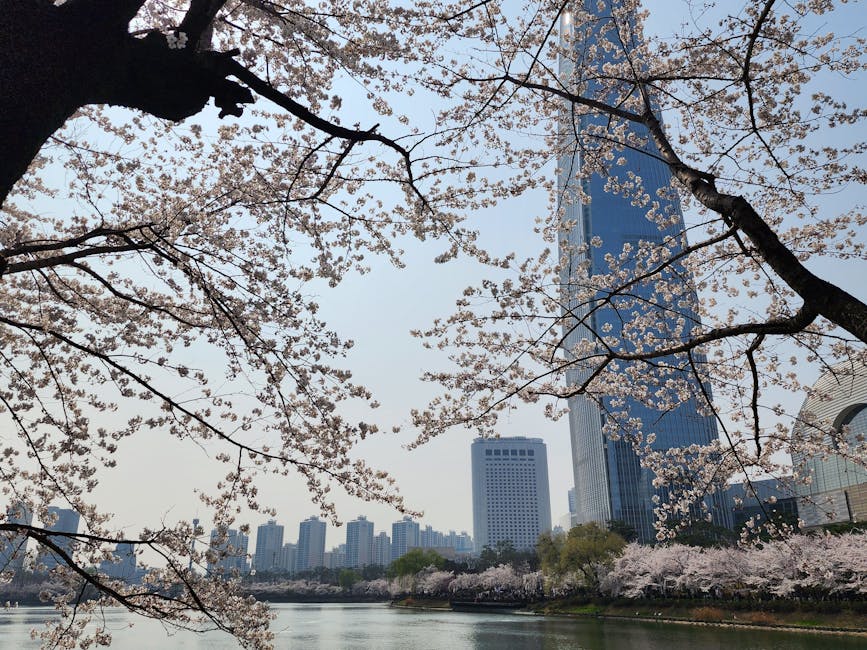
Dramas use the Han River the way they use weather. It is an external form for what a character cannot say aloud. Wide water at night, lit by bridge lamps and city reflections, reads as longing.
In daily life, the river belongs to everyone. People cycle, eat, and stay past midnight on its banks. That ordinariness is exactly why it keeps appearing on screen.
Standing on the riverbank at night, you feel both versions at once. The emotional register dramas assigned to this place is not invented. The water and city light interact after dark in a way the dramas understood.
The Neighborhoods the Camera Returns To
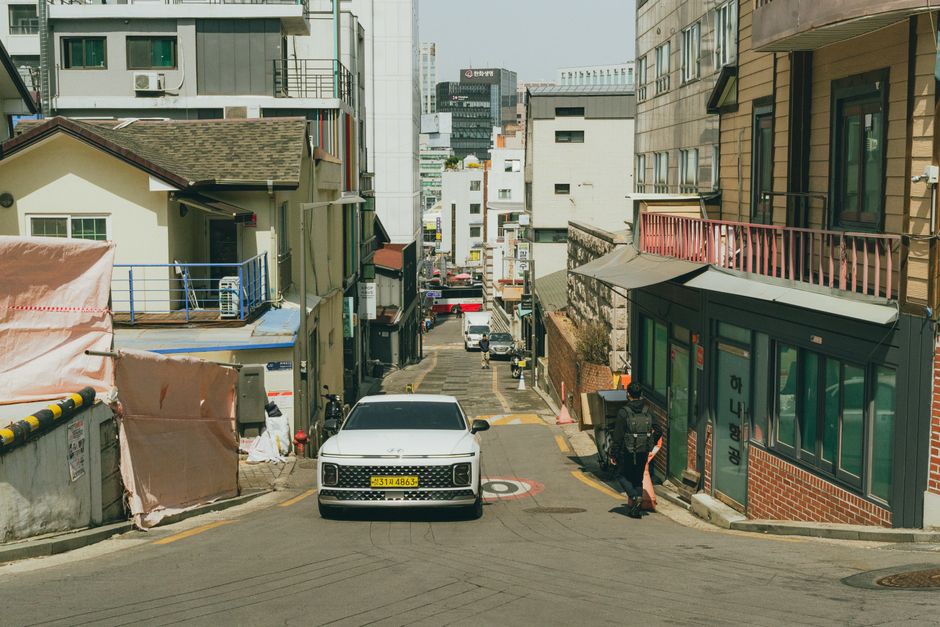
Bukchon, the Hanok village above Insadong, has appeared in more dramas than most visitors realize. The gray tile rooftops run close together and the lanes narrow as they climb. A sudden view opens over lower Seoul, catching most visitors off guard.
Insadong moves at a different pace. Galleries sit beside tea houses and craftspeople sell work that takes time. That restraint is why dramas use it when the story needs to slow down.
Mapo is where the camera goes for contemporary life. The streets run younger and louder, with restaurants staying open until the early hours. Drama scenes set here feel more urgent and resolve less tidily.

What Gets Cut From the Frame
Every drama location is an edited place. The production crew positioned the light and cleared the frame. The golden hour that appears to last an entire scene lasted four real minutes.
What you find in person is richer and less controlled. Bukchon on a weekend morning carries real sound: vendors, school groups, luggage scraping on stone. That alleyway from the famous scene is also, on any Saturday, full of people taking the same photograph.
This is not a disappointment. It is a different kind of information. The smell of street food near a palace gate, the cold at Gyeongbokgung in February sharp enough to clear your head: the unscripted city runs deeper than any edited version of it.
Walking It With Someone Who Knows
Self-guided location hunting is a real and satisfying option. You can find coordinates on a fan site and photograph each spot. The checklist has its own kind of pleasure.
What you cannot find on a map is context. The right angle, the right season: a guide who visits every location knows both. That knowledge does not come from a fan site.
Most guests arrive with a list of scenes. We walk them to each one. But by the end, they are watching the city itself, not just the locations.
A guide who grew up in Seoul does not work from a script. They know the shows and adjust to your pace. They also know what was happening in that neighborhood long before the drama found it.
The NGT K-Drama Location Tour
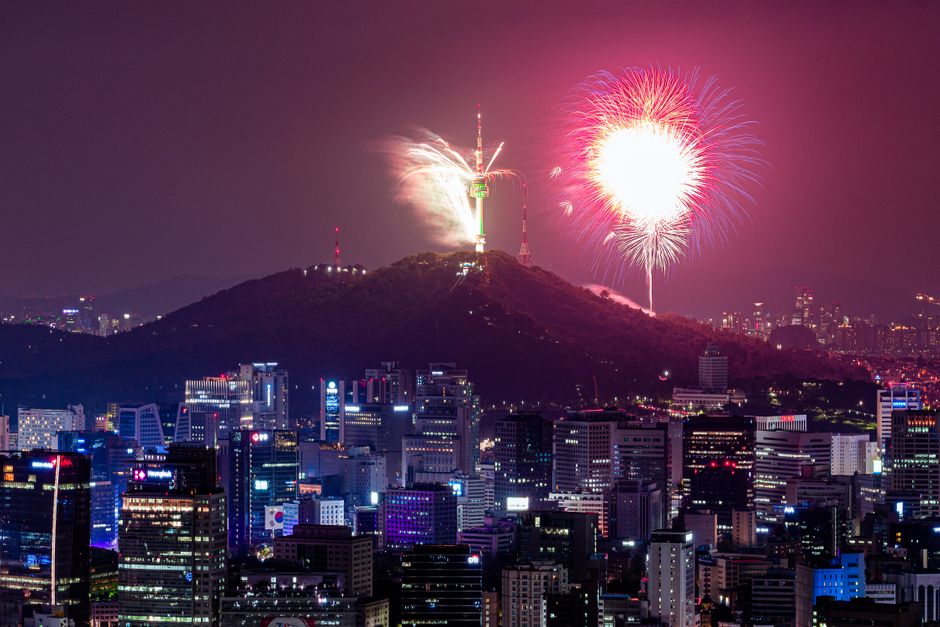
The NGT K-Drama Location Tour is a private full-day experience. No shared bus, no headset commentary, no fixed group schedule. One vehicle, one guide, and a route built around the shows you watched.
The guide is young, fluent in English, and has actually watched the shows. That changes the quality of the conversation. They know which season you mean when you name a character.
The route moves through multiple districts in sequence. Palaces in the morning, the riverside in the afternoon, residential streets as evening begins. The city reveals itself in layers, not as a list of stops.
Seoul Stays With You
The drama that brought you here will resolve. Characters reach their conclusions and the final episode ends. Most stories set in Seoul find their ending eventually.
The city does not resolve. The palace courtyard at first light belongs to everyone who walks into it. The Han River at night is lit for whoever arrives.
You came because you recognized something on screen. It felt like a place you had to see in person. You will leave with moments that no show has scripted yet.