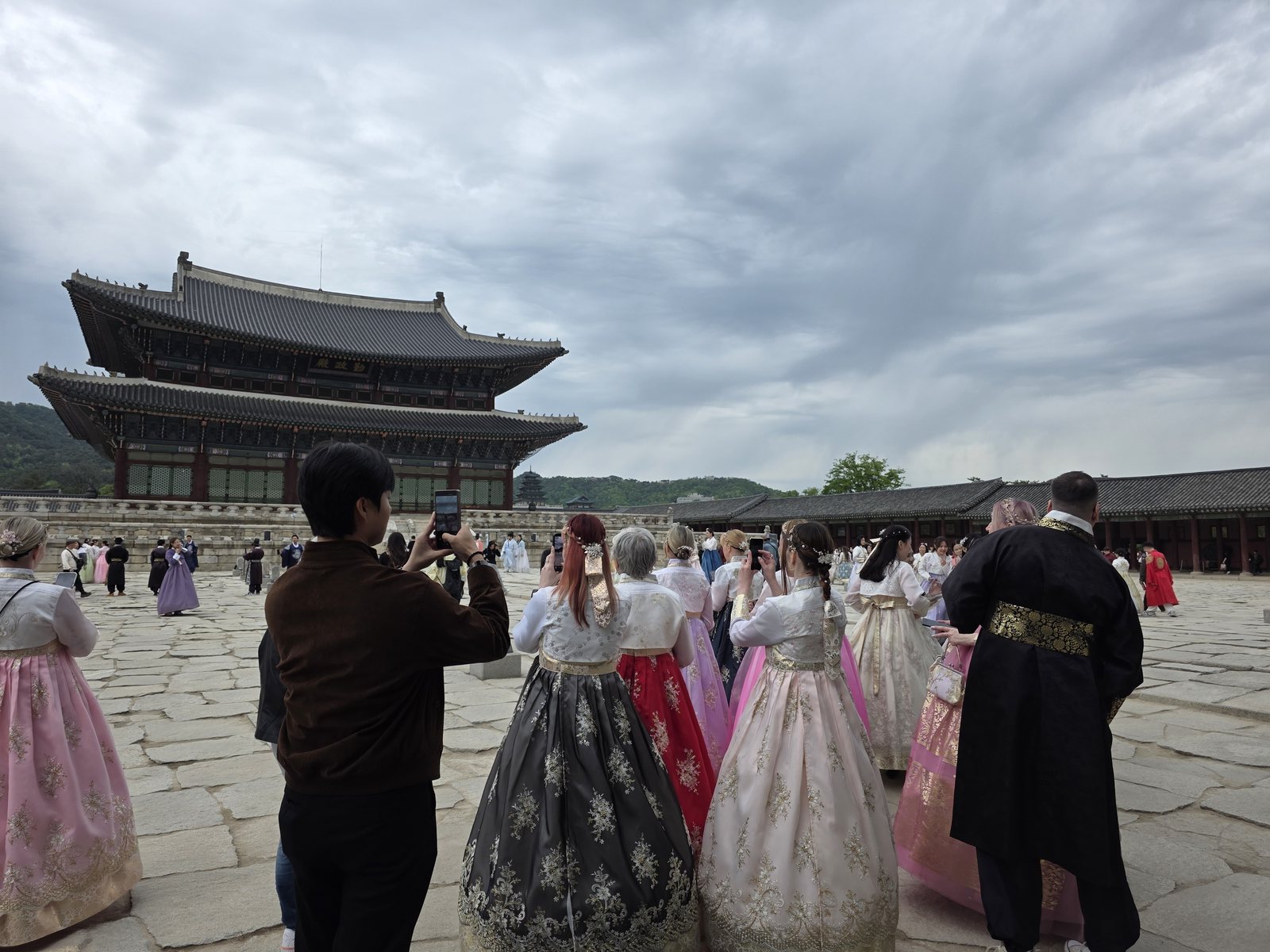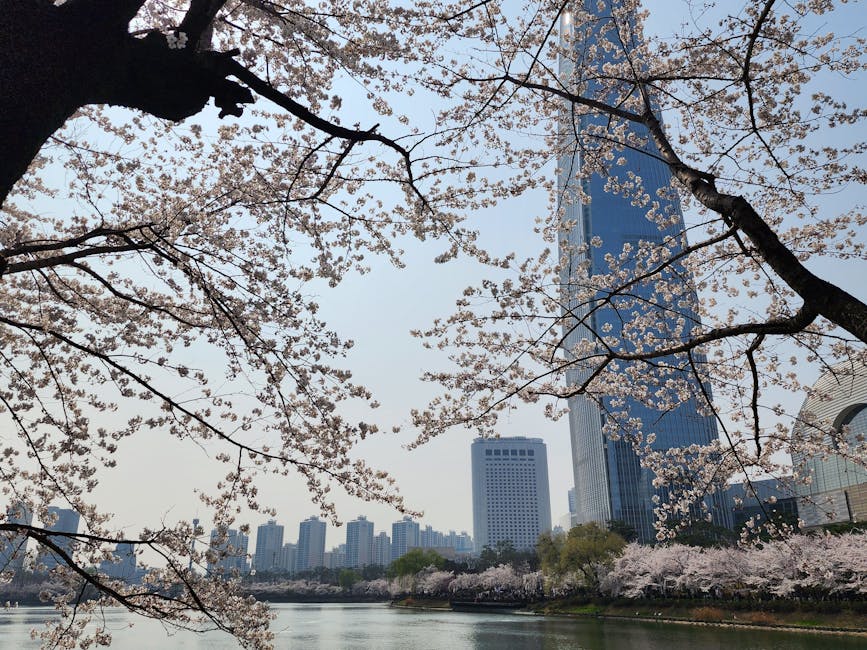
The Honest Answer
Three days shows you the surface. Five days lets you settle in. Seven days is where Seoul starts to feel real. Ten or more days belong to the slow traveler and anyone returning for a second visit.
Most first-time visitors from the United States, Australia, or the United Kingdom arrive with five to seven days. That window works well. It absorbs the jet lag, allows real exploration, and still leaves room for a day trip outside the city.
The honest answer is that Seoul rewards time. It does not punish short visits, but it saves its best layers for travelers who stay long enough to stop rushing.
What Three Days Gets You
Three days in Seoul is not a waste. You can cover the major palaces, walk the main shopping streets, and eat well at places you did not plan in advance. What you cannot do is slow down.
Every hour carries pressure. The city feels large and fast, and the first morning usually disappears to transit confusion and a later start than planned. Three days rewards the traveler who prepares in detail before they land.
If three days is your only option, focus on one or two neighborhoods rather than trying to cover the whole map. Depth beats breadth when time is short. Seoul responds well to that approach.
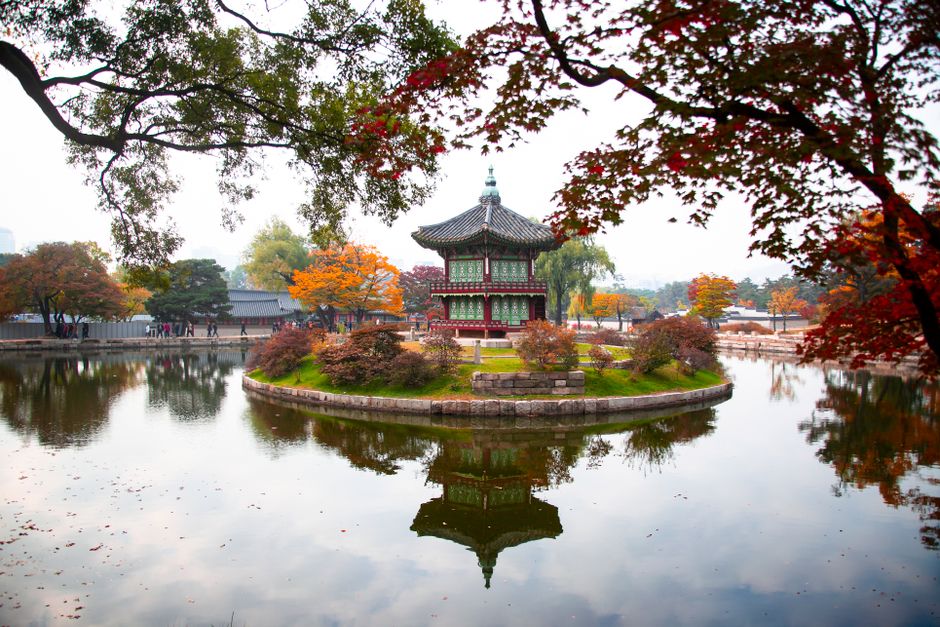
Why Five Days Is the Real Minimum
The flight from New York, Los Angeles, or Sydney to Seoul is long. Your body knows it. The first full day in Seoul often feels slow, not because the city is slow, but because you are still arriving in every sense.
Five days gives you one day to recover, one day to learn the subway, and three full days to actually explore. That split matters more than most travelers expect. You will move faster and feel more present on days four and five than on day one.
The fifth day is often the best day. Jet lag fades. You know which exit to use at your station. You have a coffee spot you have already been to twice. Seoul starts to feel familiar, and that is when it opens up.
The Seven-Day Sweet Spot
Seven days is the length most experienced travelers recommend for a first visit to Seoul. It covers the city's main districts without rushing. It leaves room for one day trip. And it gives you at least one unplanned afternoon to just walk.
A full week lets you move between neighborhoods at a real pace. You can spend a morning in a traditional market and an evening in a rooftop bar district without feeling like you chose one over the other. The city rewards that kind of layered experience.
By day six, many visitors realize they have barely touched certain areas. That feeling is not failure. It is the sign of a city with genuine depth. It is also a good reason to come back.
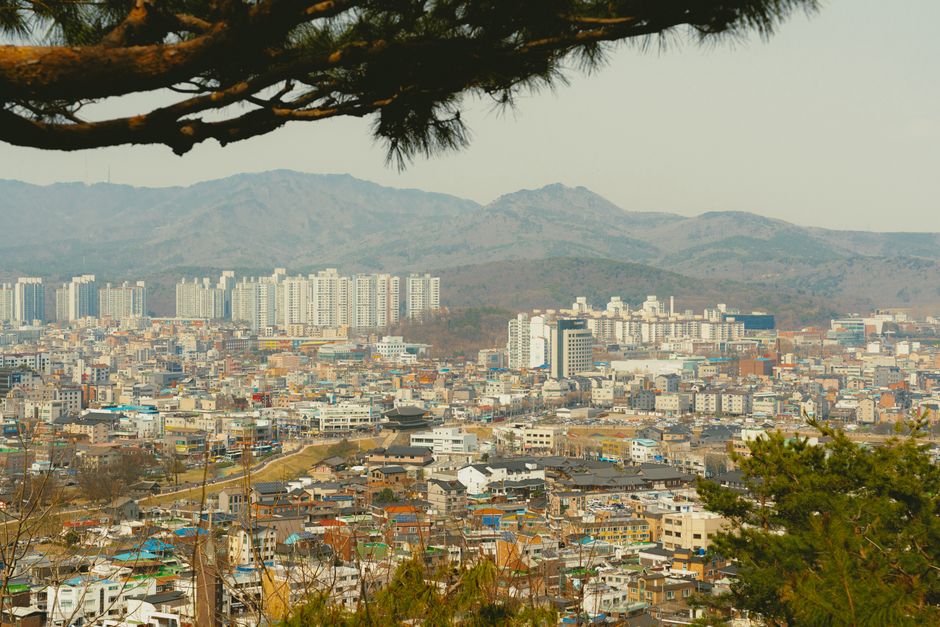
What Actually Slows You Down
Seoul's transit system is excellent. But learning it takes a full day. The first few subway rides involve wrong exits, a different card system than you are used to, and a longer walk than the map suggested. Build that friction into your planning.
Jet lag is the second factor. Flights from North America cross more than thirteen time zones. Most visitors feel the shift for two to three days. Morning energy tends to be low. Late evenings recover fastest.
Weather adds a third variable. Summer brings humidity and periodic heavy rain that can stall an outdoor day by several hours. Winter brings cold that shortens the amount of time you want to spend outside. A seven-day trip absorbs these disruptions. A three-day trip does not.
Decision fatigue is real in Seoul. The city has more quality options per block than most places in the world. Choosing where to eat, which neighborhood to explore, and which temple to visit takes mental energy. Give yourself at least one day with no fixed agenda. That day often becomes the one you remember most.
Day Trips Worth Adding
Once you have five or more days in Seoul, a single day trip outside the city adds significant range without giving up your base.
The NGT DMZ tour pairs well with a mid-trip day. The Demilitarized Zone sits about an hour from central Seoul. It offers something no other destination in the world can match. History, tension, and open landscape combine in a way that stays with you long after you return to the city.
For winter visitors, the NGT ski tour turns a cold forecast into an asset rather than a drawback. Korean ski resorts sit within two hours of the city center. A full day on the mountain fits naturally into a seven or ten-day itinerary.
The NGT K-drama location tour covers sites from widely recognized productions across Seoul and its surroundings. Pairing this with a longer stay means you have time to revisit your favorite spots on your own after the tour ends.

Match Your Days to Your Travel Style
Seoul scales with your time. A longer stay does not mean more sites checked off a list. It means a different kind of city emerges, one that most short-stay visitors never see.
- Three days: You are connecting to another destination or this is a deliberate short break. Pack your itinerary tightly and consider a private guide for at least one day to compress the learning curve.
- Five days: You want a real visit but have limited leave. Choose two or three neighborhoods and go deep. You will feel the city.
- Seven days: The right length for most first-time visitors with a flexible schedule. You will see both sides of Seoul, take one day trip, and still have an unscheduled afternoon.
- Ten or more days: You have been before, or you travel slowly by nature. You will reach neighborhoods most visitors never find. You will eat at spots with no English menu and figure it out.
The goal is not to see all of Seoul. The goal is to leave knowing exactly what you would come back for.