We Planned a Vacation. We Got Something Else.
We booked Seoul the way we book every trip. Flights confirmed, hotels chosen by location. A shared document on my phone held two pages of landmarks and names. The structure felt reassuring. We knew what a good vacation was supposed to look like.
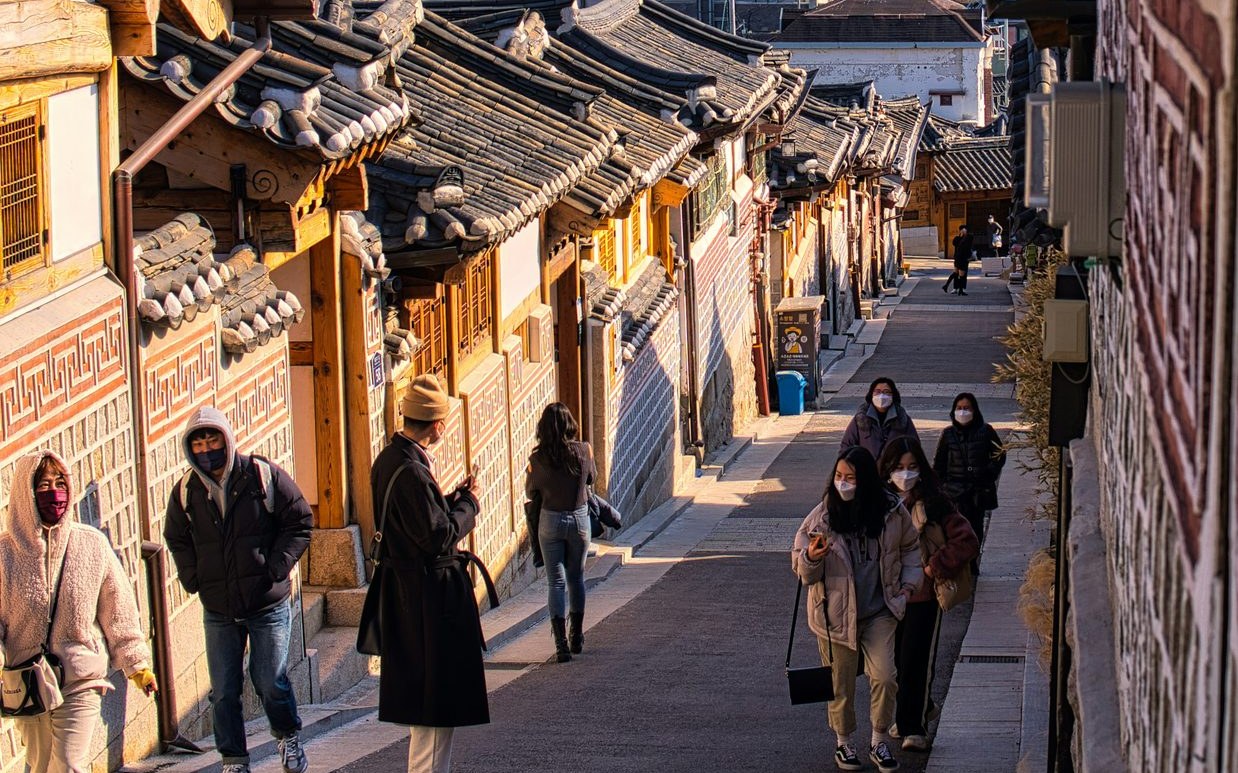
By the second day, the document was closed. Our guide had taken us somewhere unplanned. He led us down a side street that opened into an unmarked courtyard. That moment changed the shape of the whole week. We did not know it yet. We understood it later.
We had expected a sightseeing trip. What we came home with needs a different word. Not the sights but the feeling beneath them. Not the schedule but what happened when we stopped following one.
Korea asked us to be somewhere, not just see somewhere. Our guide taught us that difference. He never named it. He just showed us what it looked like in practice.
The First Morning Changed the Pace
On the first morning, our guide arrived at seven. The hotel lobby was quiet. Outside, Seoul was already awake at its edges. The center of the city still belonged to the people who lived there.
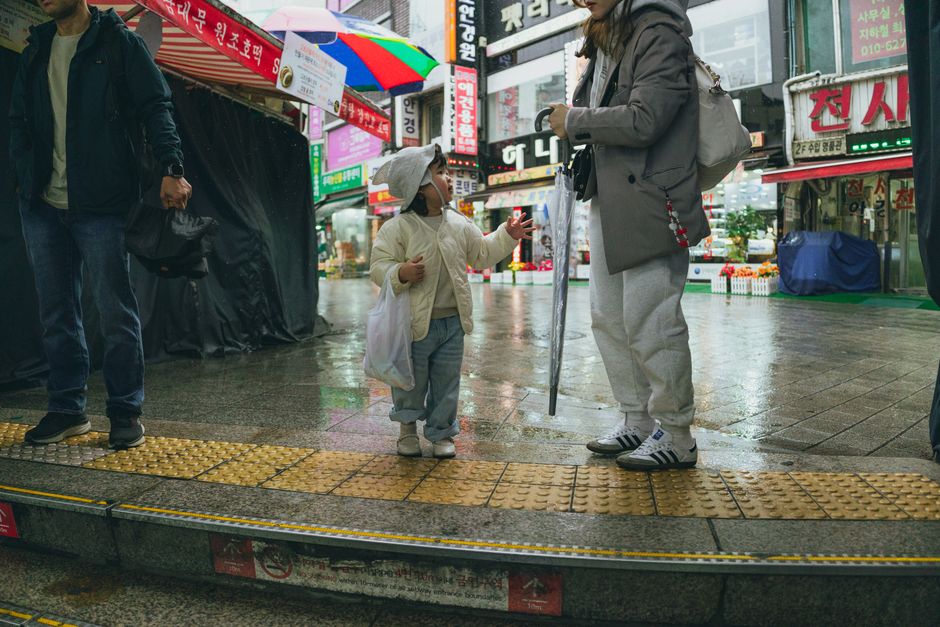
We walked for almost an hour before seeing another tourist. Vendors pulled carts loaded with produce. A man in work clothes ate breakfast from a low wall. A woman opened a shop's shutters and propped the door with a stone. Each of these moments lasted ten seconds. Each one felt permanent.
Our guide did not narrate what we saw. He let the street speak first. Only later did we understand that this was intentional. Something shifts when a city is allowed to introduce itself.
He was teaching us how to see Korea before he began explaining it. The pace of that walk stayed with us all week. We moved differently after that first morning.
A Palace and the Person Who Brought It to Life
Gyeongbokgung appears in every photograph of Seoul. The gate photographs well. The mountains behind it are exact. We had seen the image many times before we stood inside it. Standing inside it is different.
What photographs do not carry is the human scale of the place. Our guide walked with us slowly. He did not recite dates. He spoke about the people who had lived and worked inside those walls. He remembered their names. He imagined their mornings. He made the history feel like a place where something still lived.
A place only becomes real when you know someone who stood in it. That is what my grandfather believed. I try to be that story for every person I guide.
Our daughter asked what happened to the court families after the palace changed hands. Our guide answered with care and with weight. She listened without interrupting. For the rest of that morning, she walked more quietly through every room.
The Neighborhood That Was Never on the List
On the third day, our guide turned off the main road. The street was not on any list we had made. We followed without questioning. He had earned that already.
The neighborhood was not designed for visitors. Laundry lines ran between buildings. A woman watered a window box from her balcony. Children in school uniforms moved through an alley without hurrying. The air held garlic and rice and the particular warmth of a city morning.
Our guide pointed to a corner house with a small vegetable garden beside the wall. He told us the same family had kept it growing for four generations. We stood there longer than we had stood at most planned stops.
The garden was not impressive. It was continuous. That was the whole point. Some things in Seoul only reveal themselves when you slow down. The landmark is never the whole story.
Around the Table
Lunch that day was at a low table behind paper screens. We sat on cushions. Our guide ordered in Korean. He explained each dish as it arrived. He described why each one came in the order it did.
In Korea, the table belongs to everyone at once. Dishes arrived in the center and stayed there. Our guide moved food toward our children before serving himself. He suggested what to try first. My son tasted something fermented and made a face. Everyone at the table laughed.
The meal lasted longer than we expected and shorter than we wanted. Food kept arriving. Conversation moved between all of us. At some point we stopped noticing the dishes and started noticing each other.
After the meal, my wife said quietly that this was what she would remember most. Not the specific dishes, though the food was remarkable. By the time the rice bowls were empty, we were no longer strangers.
The Han River After Dark
Five evenings in, our guide suggested the Han River after dinner. The skyline reflects on the water in long columns of light. Families sit on the grass with food from nearby stores. This is entirely normal there, and it still surprised us.
We found a spot near the water and sat down. We ended up staying for almost two hours. Our guide pointed across to a bridge whose lights shifted color slowly. He told us the river was the oldest constant in Seoul. Every version of the city had arranged itself around it.
My son asked if our guide ever grew tired of showing people the same places. The guide thought for a few seconds, which was itself an answer. He said the places did not change but the people always did. That made the work feel new each time.
The river has a particular effect at night. It removes the urgency from the air. We sat there, all five of us, not performing relaxation but actually resting. That distinction felt important. The trip had been offering it all week.

What We Carried Home
We came home with the usual things. Objects wrapped carefully in paper. A ceramic cup chosen after a long conversation with the person who made it. Photographs filling our phones.
What stayed more completely was harder to carry. A new belief in what travel can be. A pace that had nothing to do with a list. Our guide carried an attention to small things that slowly felt possible for us too. We are still practicing it.
Our children still call our guide by name more than they name any landmark. They remember his questions. They remember that he listened to their answers with real interest. They describe him the way you describe someone you are glad you met.
That is what a week in Seoul returned to us. We had not known to ask for it. We are glad something knew to give it anyway.