Why Seoul Looks So Familiar
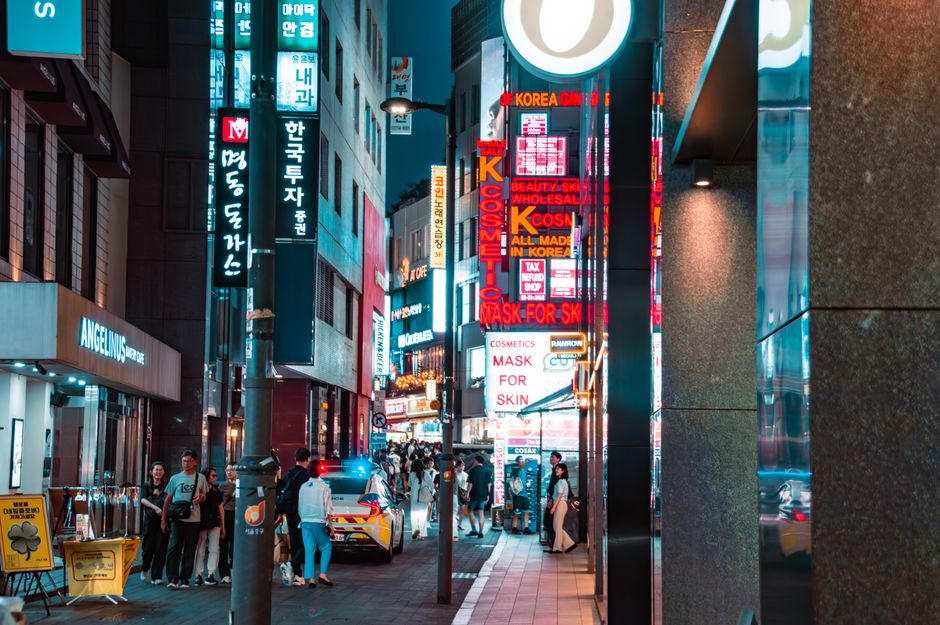
You arrive in Seoul and something feels off. The streets look like scenes you have already watched. That recognition is not imagination.
Korean pop music videos use Seoul as their primary canvas. The city appears in frame after frame, season after season. Familiar intersections, familiar light.
That familiarity has a name. Hundreds of productions film in the same districts, parks, and rooftops. Seoul accumulates on screen, frame by frame.
Gangnam: More Than a Song
Gangnam draws production teams for one reason. The district's glass towers and lit corridors create a visual language of aspiration. That language reads clearly on screen.
Street-level Gangnam moves fast. Luxury storefronts and underground walkways sit beside older commercial blocks. The contrast is exactly what MV directors look for.
Walking Gangnam as a traveler feels different from watching it on screen. The scale is larger. The texture is grittier, and both versions are equally real.
Palaces and Hanok Villages
Gyeongbokgung Palace appears in MVs that want weight. Its stone gates and wide courtyards slow a video down. That deliberate pause is a creative choice, not an accident.
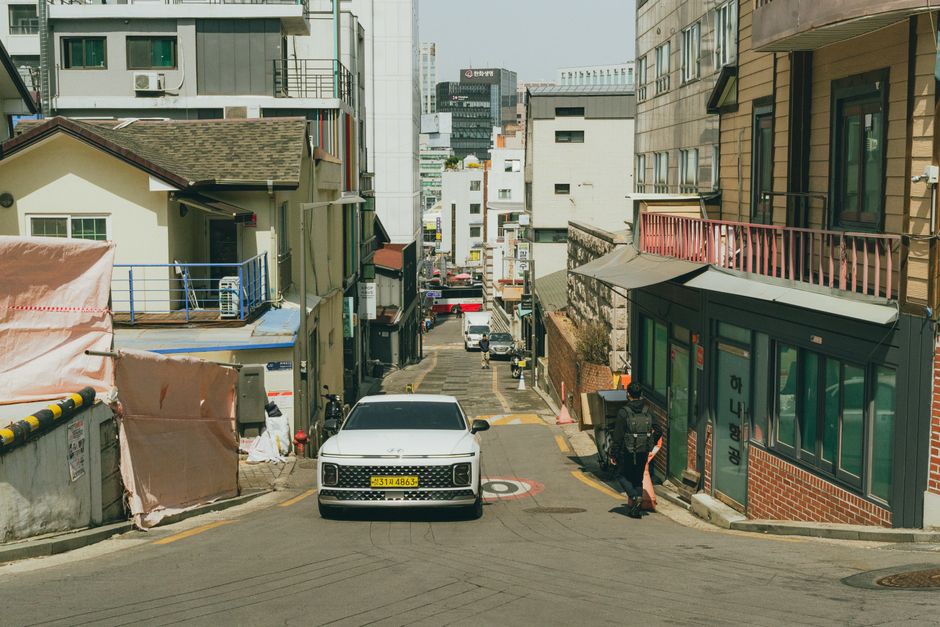
Bukchon Hanok Village offers a different register. The tiled rooftops and narrow alleys create a layered visual. Modern Seoul disappears the moment you step inside.
Directors use both locations to build contrast. Ancient architecture against contemporary styling creates visual tension that K-pop often chases. You understand the strategy the moment you stand inside either gate.
Han River: Seoul's Open Stage
The Han River parks hold a specific place in K-pop visual culture. Open sky, wide promenades, and the river itself create a natural stage. Productions return here constantly.
At ground level, the parks feel expansive and quiet for a major city. Cyclists pass in slow arcs. City light reflects on the water at dusk.
Standing at the riverbank, you understand why directors choose it. The horizon clears your frame. The composition is already there, waiting.

Hongdae and the Street Energy
Hongdae grew as a university arts district. That origin shaped its visual character entirely. Street performances, painted walls, and independent venues define what the camera finds here.
MV scenes filmed in Hongdae carry a specific energy. The crowds are real. The spontaneity reads on screen without any manufacturing.
As a visitor, Hongdae works at any hour. Daytime reveals its creative infrastructure. After dark, the district becomes the exact frame you recognize from screen.
Rooftops, Alleys, and the In-Between
Not every MV location is a landmark. Many iconic scenes happen in ordinary Seoul, in places without names or plaques.
A rooftop with a city-line view. An underpass lit by fluorescent light. A narrow market alley at dusk.
These in-between spaces give K-pop videos their cinematic depth. They feel anonymous and specific at the same time. That tension is hard to manufacture outside Seoul.
Reaching these textures requires local knowledge. The rooftops are not marked on tourist maps. The alleys shift by district, and knowing where to look is a skill, not a shortcut.
From Screen to Street: Going with a Guide
NGT runs a dedicated K-pop MV Filming Experience Tour for exactly this reason. The tour moves through real Seoul filming locations with a guide who knows the production history. That knowledge changes everything.
The guide connects what you see to what you have watched. They know which corner appears in which era of K-pop. That context turns a location into a memory.
I had watched that rooftop scene so many times. Standing there with a guide who explained the actual shoot made it feel completely different. It became a real place, not just a screen. (Guest, Singapore, 2025)
The tour is private, built around the traveler's own K-pop frame of reference. No large groups. The itinerary reflects what you actually care about, not a generic highlight reel.
How to Plan Your 2026 Visit
Seoul works as a dedicated K-pop itinerary or as one layer inside a broader trip. The filming locations spread across the city. Covering them naturally builds your Seoul map.
Spring and autumn offer the most photogenic conditions. Mild temperatures and clear light match the visual register of most MVs. Summer evenings and winter snow create a different but equally compelling palette.
Build at least three full days in Seoul if filming locations are your primary focus. That time lets you experience each district properly, not just check a list.
The NGT K-pop MV Filming Experience Tour works best as an anchor day. Plan self-guided exploration in the districts before or after. The city rewards that kind of depth.

