The City You Already Know
You step off the plane and something shifts. The skyline, glimpsed from the taxi window, looks familiar. That recognition has a source.
Korean dramas have circulated globally for over a decade. Viewers across every continent have absorbed the same images. Palace gates, river bridges, the tower on the hill at night.
Arriving in Seoul with that visual library changes the city entirely. You are not discovering a new place. You are completing a journey that started on a screen.
The filming locations that created this recognition are real and accessible. This guide covers the ones that appear most often. Seoul rewards the visitor who already knows what to look for.
Bukchon Hanok Village: Where Period Dramas Come Alive
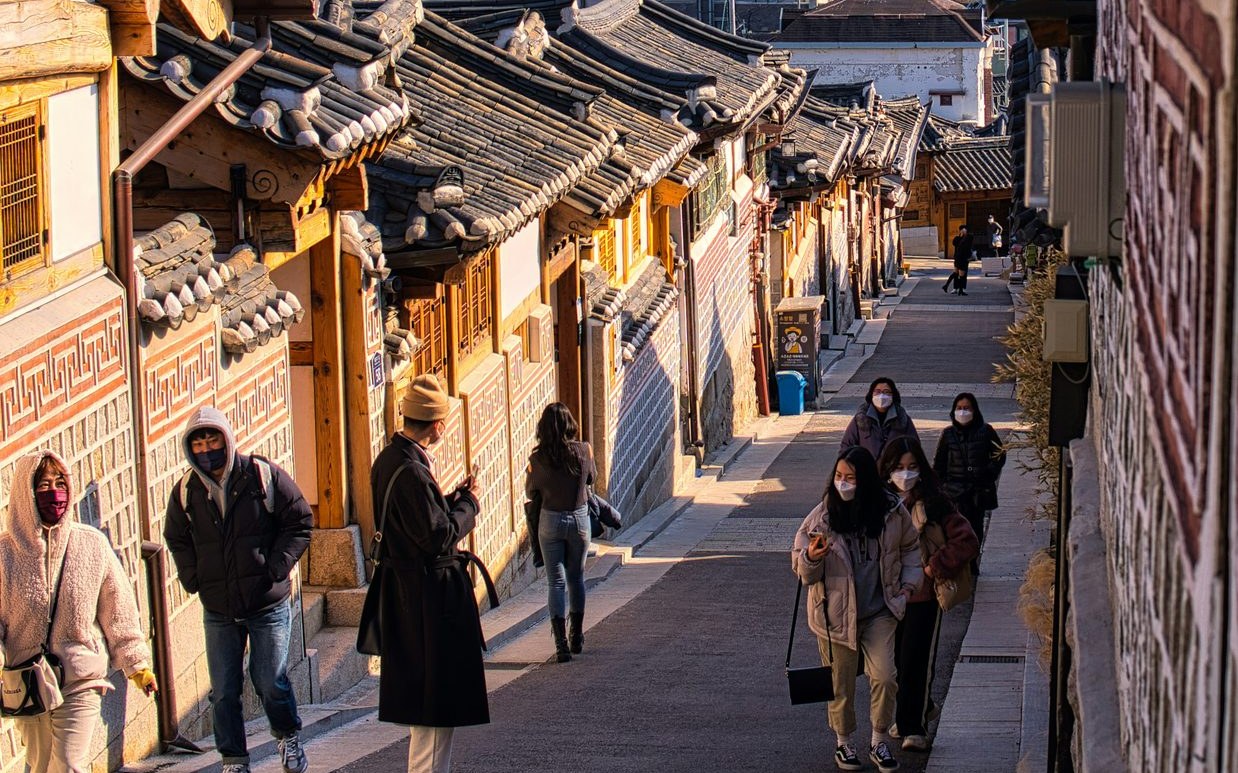
Bukchon sits on a hill between two of Seoul's oldest palaces. Its lanes are narrow, stone-paved, and lined with tile-roofed traditional houses. Period drama directors have filmed here for decades.
Almost nothing needs to be altered when a camera crew arrives. The architecture is the set. Curved grey roofs, wooden gates, and stone walls carry every period scene.
Timing matters in Bukchon. The village is a living neighborhood, and the lanes fill quickly on weekend mornings. The early morning hours offer the stillness the camera has always known.
The view from the upper lanes looks back across the city. This vantage appears in some dramas, but the camera rarely holds it long. Standing there, you hold it longer than any edit allows.
Gyeongbokgung Palace: The Anchor of Every Joseon Story
Gyeongbokgung is the most filmed palace in Korea. Its main gate opens onto a courtyard large enough to change how you breathe. At the far end, the throne hall sits raised on a stone platform.
The gate has appeared in dozens of period productions. Directors use it for processions, confrontations, and moments that need real scale. The courtyard behind it offers the same range.
The guard ceremony takes place at the main gate on regular days. It is choreographed, deliberate, and dressed correctly for the period. For drama viewers, the ceremony closes the distance between screen and stone.
The palace opens early, and the first hour is different from every other. Few visitors are present, and the scale of the courtyard is easier to hold. This is when the connection between the dramas and the place becomes clear.
N Seoul Tower: The Landmark That Means Something
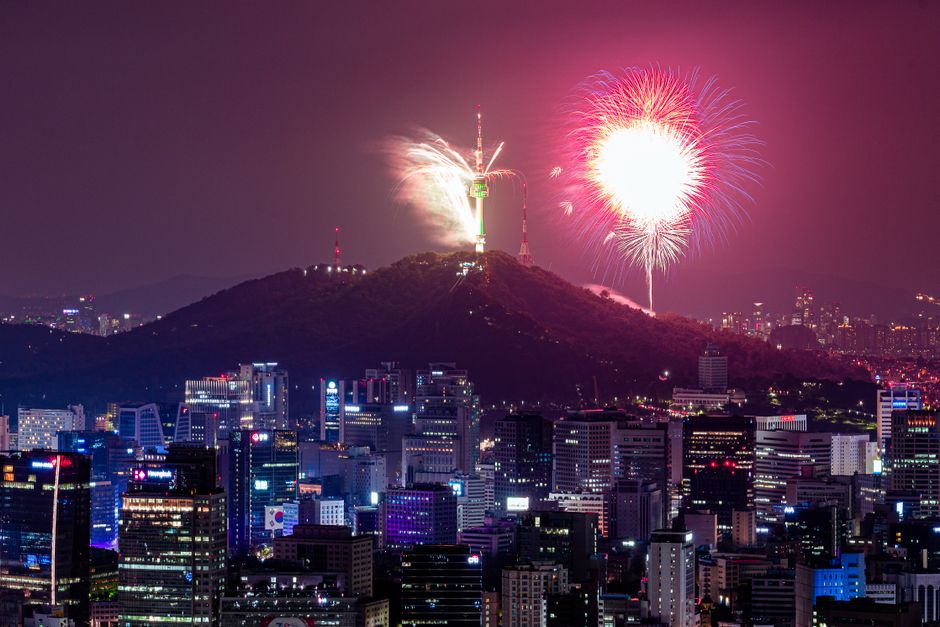
Namsan rises at the center of Seoul. The tower at its summit has become the city's most-used romantic drama location. The view from the observation deck takes in the full city basin.
The padlock tradition near the tower is part of Korean drama's visual vocabulary. Couples write names on locks and attach them to the fence. The image has appeared so often that it now reads as its own symbol.
The cable car ride up the mountain offers an approach the camera rarely shows. The city recedes below, and the tower comes into view through the trees. At the top, the wind changes, and the city looks quiet from this height.
The descent from Namsan carries a different quality from the ascent. The city comes back into view gradually, louder with each step down. That contrast between quiet summit and loud city is what the romantic drama always uses.

Han River Parks: Seoul at Its Most Cinematic
The Han River cuts through Seoul from east to west. Directors send characters here when emotion needs room. Open water and open sky create space the city rarely provides.
Evening light on the Han River is different from anywhere else in Seoul. The water holds the light longer, and the river parks stay active until late. This accessibility is part of what makes the river a reliable filming location.
Walking the river path at dusk reproduces what the camera sees. Bridge lights come on in sequence, and the city hums behind you. The drama frame and the lived experience converge most closely here.
The parks along the Han River vary in character from one district to the next. Some sections are quieter, with wider open areas. Choosing a quieter stretch means more of what the camera is always looking for.
Hongdae and Mapo: Where Youth Dramas Are Set
Hongdae is loud in a way most of Seoul is not. Street performers, painted walls, and music from open doorways fill the pedestrian zones. Drama writers reach for this district when they need a neighborhood that feels alive.
Coming-of-age stories return to Hongdae because the district does not need to be dressed. The streets are already performing. Independent shops, live music, and open space create ambient life that is real.
Walking through Hongdae on a weekend evening puts you inside the texture dramas capture. The energy is loud, spontaneous, and real. That authenticity is exactly why this district appears on screen so consistently.
Cheonggyecheon Stream: The City Scene You Recognize
Cheonggyecheon runs below street level through central Seoul. Step down from the road and the acoustics of the city change. The stream corridor is a contained world.
Contemporary dramas use this location for its intimacy. The stone paths on either side of the water bring characters close. Conversations filmed here feel different from scenes set on open streets.
The light at Cheonggyecheon changes through the day. The afternoon hours bring an angled quality that production crews prefer. Any viewer of a contemporary Seoul drama has already seen this light.
The stream runs for several kilometers through the city center. Following it eastward takes you away from the busier sections into quieter stretches. The stone, the water, and the angled light repeat throughout the full length.
How to Move Through These Places Like a Traveler, Not a Tourist
The challenge with Seoul's filming locations is not finding them. The challenge is knowing when to arrive and what to notice once you do. Bukchon reads differently at seven in the morning than at noon.
A self-guided visit is possible, and many travelers manage it well. The limitation is context. Standing inside a space differs from understanding why cameras return to it.
Most guests arrive with a list of places. What they leave with is a reason each one matters. That is a different trip entirely. NGT guide, K-Drama Location Tour
NGT's K-Drama Location Tour builds both elements into the day. The sequence is planned for each location's best conditions, and the guide provides context. You move through Seoul with intention, knowledge, and time to see what is there.