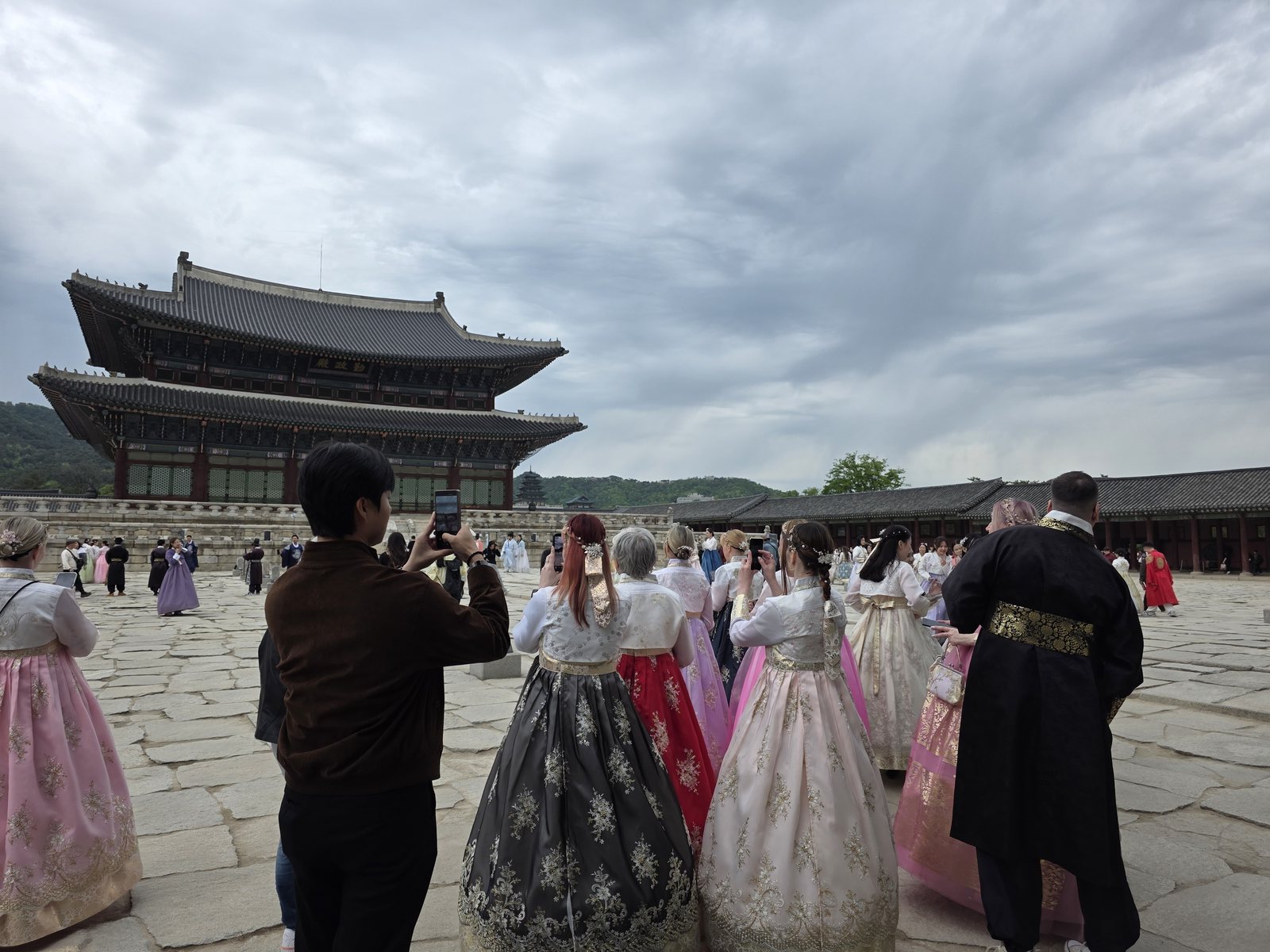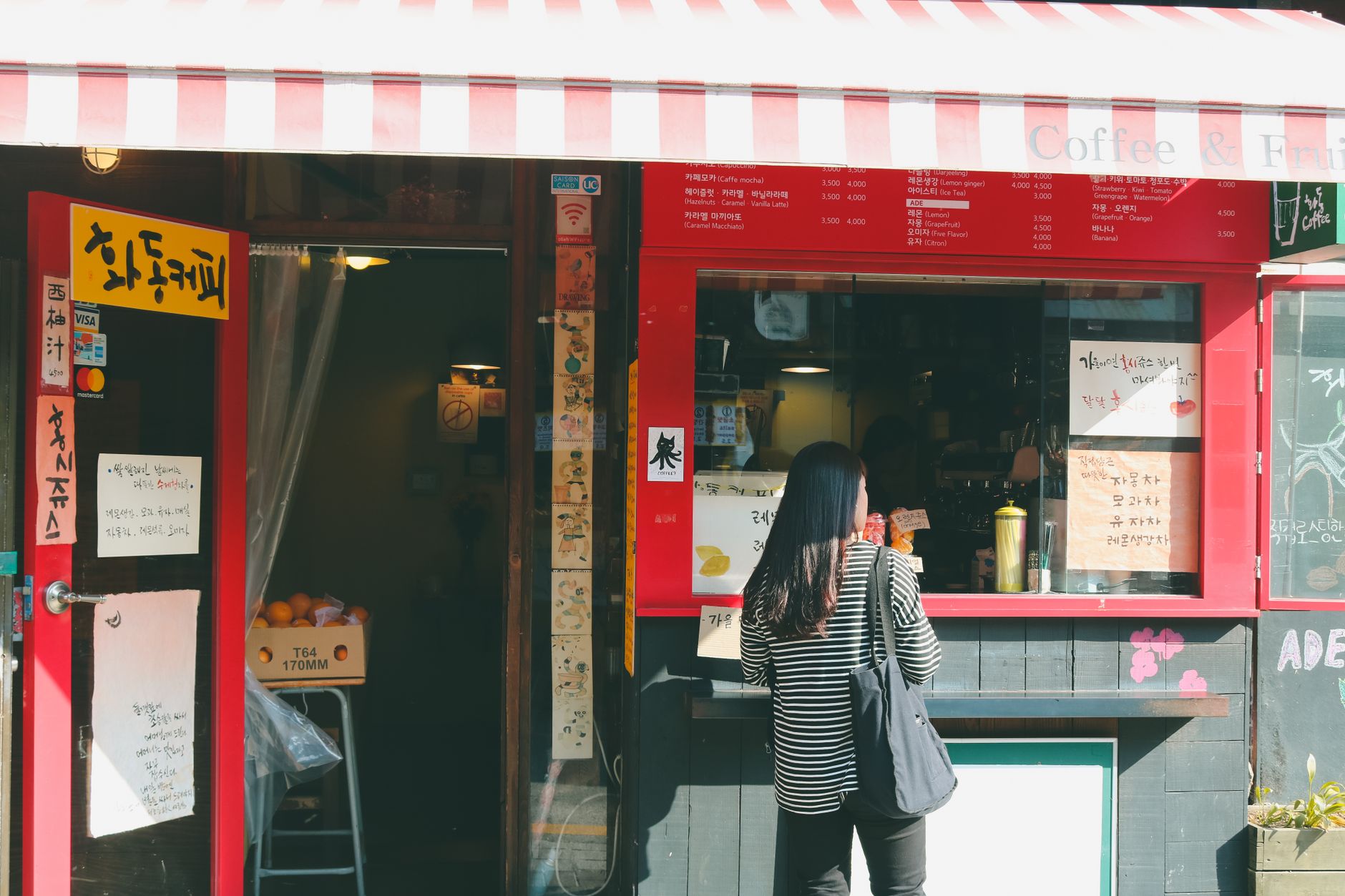
Seoul takes its coffee seriously, and nowhere shows it better than the old quarter north of the river. In the lanes around Anguk, Bukchon, and Samcheong, century old hanok houses have been turned into some of the most beautiful cafes in the country. A few of the city's best roasters and oldest traditional teahouses sit within a short walk of one another. You could spend a whole day here doing nothing but moving from one cup to the next, and many of our guests happily do.
This is a guide to ten places we return to, gathered in a single walkable area between the palaces. Some are famous and worth the wait. Some are quiet and easy to miss. We have arranged them roughly as you would meet them on foot, starting near Anguk Station, winding up into Bukchon, over to Samcheong, and west into Seochon. Take it slowly. Here the walking is as much the point as the drinking.
How to Walk This Guide
The whole route is small enough to cross in twenty minutes if you hurry, and rich enough to fill an entire day if you do not. Begin near Anguk Station, where the most photographed cafes cluster. Climb north into the residential lanes of Bukchon for the teahouses and the views. Drift downhill into Samcheong for galleries and slower rooms, then cross west into Seochon for the serious coffee and the quiet. Read the ten below in that order, or simply use them as a map and wander. There is no wrong way to walk it, only a slow way and a slower one.
1. Onion Anguk
Set inside a restored hanok just off Gyedong-gil, Onion Anguk is the cafe most visitors photograph first, and for good reason. The old house has been kept largely intact, with a courtyard, wooden beams, and low rooms that open onto the tiled roofline. It is known for its bread and pastries, laid out across a long communal table, and it fills steadily as the day goes on.
Come close to opening if you want a quiet corner and the morning light falling through the paper screens. Gyedong-gil itself is worth lingering on, a gentle lane of small shops that leads up toward the heart of Bukchon. Treat Onion as the start of the morning rather than a stop in the middle of it. Arrive, eat slowly, and let the day open from here into the lanes above.
2. London Bagel Museum Anguk
A few minutes away, London Bagel Museum is one of the most talked about bakeries in Seoul, and the line outside is part of the experience. The draw is simple, warm bagels and generous spreads in a cluttered, charming room. If queues are not your idea of a holiday, arrive early or leave your name and wander Bukchon while you wait.
The bagel craze is real in Seoul, and this is close to its centre. Whether the wait is worth it depends on your patience, but the room has a genuine warmth once you are inside. To avoid the queue entirely, come right at opening on a weekday, when the village is still quiet and the line has not yet formed. On a private morning we usually time it so the waiting is spent walking the lanes rather than standing in them.
3. Artist Bakery Anguk
For a calmer start, Artist Bakery near Yulgok-ro is an easy place to pick up something fresh without the crowds of its more famous neighbors. It is the kind of unhurried neighborhood bakery that rewards no plan at all. Step in, choose what looks good from the counter, and carry it out into the lanes.
Yulgok-ro sits at the edge of the old quarter, near the entrance to Changdeokgung, so this is a natural stop on the way between the palace and the village. Bakeries like this are the everyday texture of a Seoul neighborhood, the places residents actually use, and they are often the most quietly pleasant of all. Not every stop needs to be a destination. Some are simply a good thing in your hand as you walk.
4. Cha Masineun Tteul
Climb up into Bukchon proper and you reach Cha Masineun Tteul, a traditional teahouse set in a hanok near the top of the village. This is one of the loveliest places to pause in all of Seoul. The seating looks out over a sea of tiled roofs, and the menu leans toward seasonal and medicinal teas served slowly, the old way.
The climb to reach it is part of the reward, up through the residential lanes where Bukchon is at its most beautiful and least crowded. Give yourself time here. This is not a place to rush a cup. On a clear autumn afternoon, with the roofs turning gold below the window, it is one of the finest quiet hours the city has to offer, and the antidote to the busier rooms downhill.
5. O'sulloc Tea House, Bukchon
If you would rather meet Korean tea in a modern setting, the Bukchon branch of O'sulloc serves the green teas of Jeju Island in a calm, contemporary room. The desserts built around green tea make a gentle introduction for anyone new to the tradition, and the space is an easy, unintimidating place to sit.
Korean tea culture runs deep, and O'sulloc is one of the easiest doors into it for a newcomer, modern, comfortable, and unhurried. From here Bukchon-ro leads gently downhill toward Samcheong, so it makes a good pivot point in the walk, the moment you turn from the old village toward the galleries. Pair it with a stroll along the main road and you have the shape of an afternoon.
6. FOWS, Samcheong
Down in Samcheong-dong, FOWS is a quieter cafe and dessert spot along the main street of galleries and boutiques. It suits the rhythm of this stretch of the walk, a place to sit after browsing rather than a sight in itself. Take a window seat, order something sweet, and watch Samcheong drift past.
Samcheong-dong rewards slow browsing, its main street lined with small galleries, craft shops, and design stores. A cafe like FOWS is best used as a pause between them, a chance to sit with what you have seen. The neighborhood is at its best when you are not rushing through it, and a calm window table on one of the prettiest streets in central Seoul is the easiest way to slow down.
7. The Second Best Place in Seoul
Its name translates, with great modesty, as the second best place in Seoul, and it has been serving traditional sweets and teas in Samcheong for decades. This is the older, slower side of Korean cafe culture, long before the roasters and the bagels arrived. Come for red bean porridge or a warm medicinal tea on a cold afternoon, in a small room that has not chased a single trend.
Places like this are increasingly rare, and worth seeking out before they disappear. The traditional sweets and teas here are an education in a gentler, older Korea, the one that existed before the city learned to queue. It is the kind of place that makes Samcheong feel like more than a shopping street, and we treat sending a guest through its door as a small act of preservation.
8. Intelligentsia Coffee, Seochon
Cross west toward Seochon and the mood shifts from tradition to craft. Intelligentsia, the well known specialty roaster, keeps a Seochon location for those who take their coffee seriously. The room is spare and modern, the focus entirely on the cup.
Seochon, the west village, is quieter and more lived in than Bukchon, and a serious cafe suits its mood. Use Intelligentsia as a base for exploring the area on foot, the lanes around it hold bookshops, small galleries, and the everyday life of a working neighborhood. After a morning of hanok and history, the clean lines here feel like a different city, which is exactly the point, and a good way to reset before the west village unfolds.
9. Namusairo, Seochon
Also in the Seochon area, Namusairo is a specialty coffee name respected among Korean coffee people. It is unshowy and serious, the sort of place locals return to rather than tourists stumble upon. If you have spent the morning on the famous cafes, this is the one that feels earned, a quiet room and a careful cup at the end of the walk.
Korea's specialty coffee scene has quietly become one of the best in the world, and names like this are why. There is no spectacle here, only care. For travelers who measure a city by its coffee, an afternoon in Seochon built around a cup like this is a small, perfect thing, and we like sending guests here last, when the crowds are behind them and the coffee can be the whole of their attention.
10. Veranda, Naeja-dong
End where the crowds thin, in the quiet lanes of Naeja-dong below the western slope. Veranda is a calm neighborhood cafe, an easy last stop before the day closes. By now you will have moved from a photographed hanok to a hilltop teahouse to a serious roaster, and a quiet table is exactly what the walk has earned.
The whole route has a shape to it, the famous and photographed at the start, the quiet and local by the end, and a calm cafe here is the last, easy note. Naeja-dong sits away from the crowds, and from here it is a short stroll back toward Gyeongbokgung and the rest of the day. This is the rhythm we love in this part of Seoul, loud at the beginning, soft at the close.
Knowing the right order of a morning is a small thing. But it is the difference between chasing a city and being shown it.
When to Go
Mornings belong to this area. The famous cafes are calmest before mid-morning, the light is softest in the hanok rooms, and the lanes between them are nearly empty. By early afternoon the crowds arrive and the lines lengthen. If you can choose only one window, make it early. Autumn and the first weeks of winter are especially beautiful here, when the courtyards turn colour and a warm cup feels like a reward rather than a habit.
A Few Practical Notes
- Come before mid-morning for the quietest rooms and the shortest lines.
- The most famous spots draw real queues. Leave your name and walk Bukchon while you wait, rather than standing still.
- Wear comfortable shoes. These cafes sit on a hill, and the walk between them is half the pleasure.
- Pair the cafes with a palace. Gyeongbokgung and Changdeokgung are a short walk on either side of Bukchon.
- Be a quiet guest in the village. Residents live in these lanes, so keep your voice low and stay to the streets.
The Quiet Kind of Luxury
You can find these cafes on a map and visit them in any order you like. You can also let a morning here unfold the way it should, the famous rooms early and empty, the teahouse when your legs want a rest, the serious roaster when you are ready to taste rather than photograph. The difference is not money. It is pace, and a little local knowledge about timing and order.
On a private day with one of our young licensed guides, this walk becomes effortless. We know which cafe opens first, which line is worth joining and which is not, and how to thread the lanes so the waiting is spent walking. That is the quiet kind of luxury we build every day in Seoul. Not the loudest version of the city, but the truest one, one slow cup at a time.