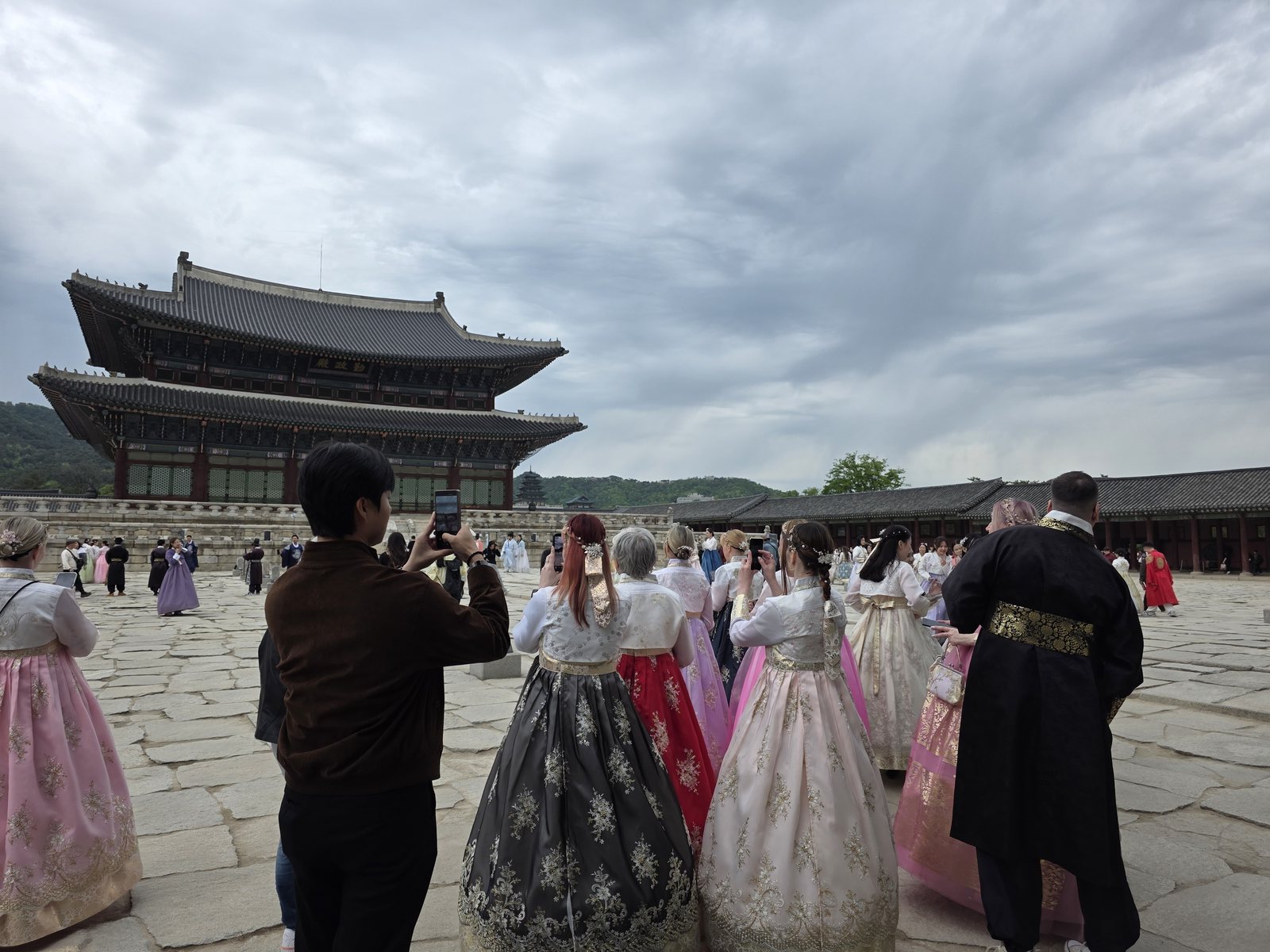
The Factory District Seoul Never Demolished
Seongsu-dong used to make things. Shoes, mostly. The neighbourhood sat east of the Han River. It spent decades as one of Seoul's working industrial zones. Tanneries and cobblers filled the low buildings. The streets smelled of leather and machine oil.
The neighbourhood crosses the Cheonggyecheon stream to the north and runs toward the Han River to the south. Its geography kept it apart from the rapid modernisation that swept other Seoul districts. While glass towers rose elsewhere, Seongsu-dong kept its low workshops.
Seoul demolished much of its old industrial fabric as the city modernised. Seongsu-dong survived. The factories stayed. The craftsmen stayed. That restraint, partly practical and partly accidental, became the neighbourhood's greatest asset.
Today the concrete bones of the old district form the structure for something new. The architecture was never dressed up. It was simply repurposed. That honesty is visible in every corner. It gives Seongsu-dong a texture no newly designed neighbourhood can replicate.
What the Streets Feel Like Now
The light arrives differently here. Low industrial buildings mean wide sky. In the early morning the sun crosses unobstructed. It catches the rough surface of brick and exposed steel. By afternoon the shadows lengthen between the factory blocks. The temperature drops a degree before the rest of Seoul notices.
On weekend mornings the streets fill with a particular mix of people. Design students arrive with notebooks. Photographers carry equipment toward the light. Older residents wheel shopping carts past without slowing down.
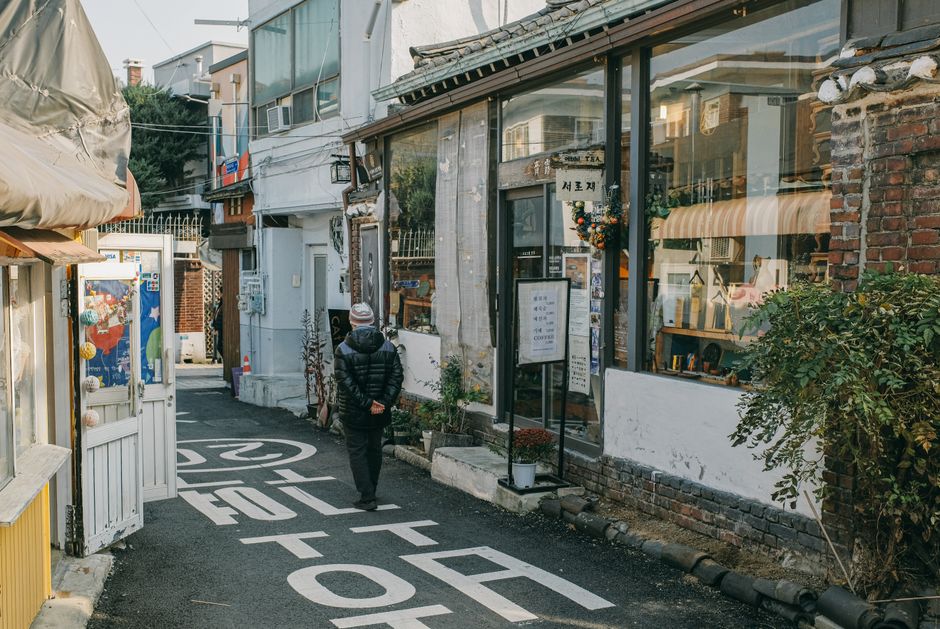
You walk slowly here without planning to. The street scale is human. Narrow lanes cut between the main roads. Delivery bikes weave past people carrying camera bags or sketchbooks. Nobody performs for anyone else.
The pace is specific to the neighbourhood. There is purpose without rush. People arrive knowing roughly where they are going. They find themselves stopping often. The sensory density is high. Sound, texture, and smell compete equally.
The Craft That Never Left
Seongsu-dong built its identity on shoes. At its peak, the area held a significant share of Korea's domestic footwear production. The small workshops that cut, stitched, and finished leather were passed between families across generations. That history is still legible on every street corner.
That layer has not disappeared. Walk the quieter back streets and you still find workshops open to the street. A cobbler repairs a boot under fluorescent light. A craftsman stretches leather over a last by hand. These are not installations. They are working businesses, indifferent to the visitors outside their doors.
The new creative economy has grown around this foundation rather than replacing it. Young designers source materials from the same suppliers the old workshops use. The relationship between old craft and new design is practical, not nostalgic. Both need each other to survive.
Coffee Inside Concrete
Seongsu-dong's cafes occupy a specific kind of space. A former printing facility becomes a room with twelve-metre ceilings and original factory windows. A disused warehouse keeps its loading doors, now propped open to let in afternoon light. The coffee is incidental to the architecture, except it never feels that way.
Independent roasters moved here when rents were low. The industrial buildings offered volume that nowhere else in Seoul could match. They brought serious equipment and serious sourcing. That result is a cafe culture closer to a trade than a trend.
The sound inside is worth noting. Machines from adjacent workshops filter through the walls, bringing grinders, compressors, the occasional hydraulic press. The coffee and the craft exist on the same frequency.
You notice the quiet anyway. Conversation carries further than it should. People work at long shared tables or sit alone near the windows. The light through old glass has a quality that no renovation fully explains.

The People Who Keep It Honest
The neighbourhood's creative energy is not anonymous. Young Korean designers have opened studios here because the space allows for making. A fashion label needs room to cut fabric. A ceramicist needs a kiln and ventilation. Seongsu-dong provides both at a scale the centre of the city cannot.
These makers are not performing creativity. They work regular hours. They supply small quantities to independent retailers. They post infrequently and without the vocabulary of lifestyle branding. Their studio doors are often open. They do not invite attention.
The work they produce shows restraint. A bag carries no visible branding. A ceramic piece uses a single glaze colour. The design language is the same as the neighbourhood: material over message.
The locals who have lived here for decades move through all of this with ease. The older residents know the new cafes are not for them. The newcomers understand they are guests in someone else's place. That mutual awareness keeps the neighbourhood from tipping into performance.
Walk to Seoul Forest Before the Light Goes
Seoul Forest sits at the eastern edge of Seongsu-dong. It is a large green space along the Han River. The park was a racetrack and then a water treatment facility before becoming public land. That history gives it a spaciousness that designed parks rarely achieve.
Walk toward it in the late afternoon. The light at that hour is specific. It comes in low and golden across the open field beside the river. The trees in the older sections hold the warmth longer than the surrounding streets. Your pace slows without effort.
The edge where the neighbourhood meets the park is worth pausing at. The last streets of Seongsu-dong face the treeline. Workshops back onto small gardens. The industrial and the natural share a border without ceremony. That transition is one of the few places in Seoul where the city releases you.
People come here to end long walks. They sit on the grass near the water and let the city recede. For a few hours Seongsu-dong and the park exist as one continuous space, the factory district and the riverbank sharing the same gold light.

Why a Guide Changes Everything Here
Seongsu-dong is easy to walk alone. The streets are navigable. The cafes are welcoming. But most of what defines the neighbourhood exists beyond a solo visit. The context is invisible without someone who carries it.
I expected a neighbourhood. What I got was a conversation with the city. Every door our guide opened led somewhere I would never have found alone.
An NGT guide who knows this neighbourhood understands which workshops welcome visitors and which do not. They know the studios that opened last month from those operating for forty years. That knowledge changes what you see and how you see it.
The walk becomes a sequence of introductions rather than observations. You meet a craftsman who explains the grade of leather by touch. You step into a studio where a designer shares the reference book behind a collection. These moments are not arranged. They happen because the guide knows where to look and when to ask.