Why Korea Is Harder to Time Than It Looks
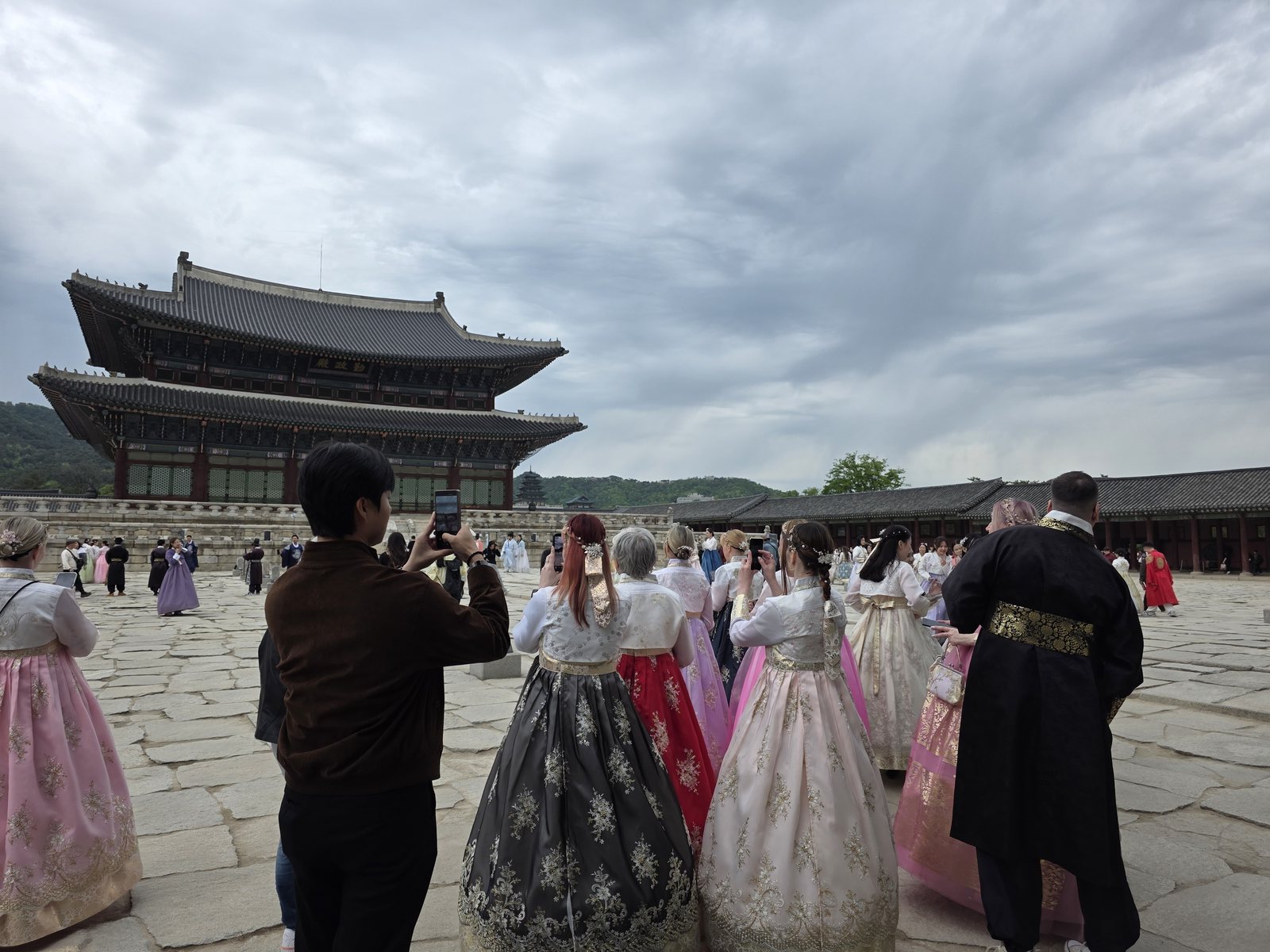
Most travelers arrive in Seoul with a mental checklist built from short-form video and travel content. Gyeongbokgung at golden hour. Myeongdong on a Saturday night. A rooftop somewhere in Hongdae. That checklist is real, and those moments deliver. But Korea has a second layer that reveals itself only when you slow down enough to notice it.
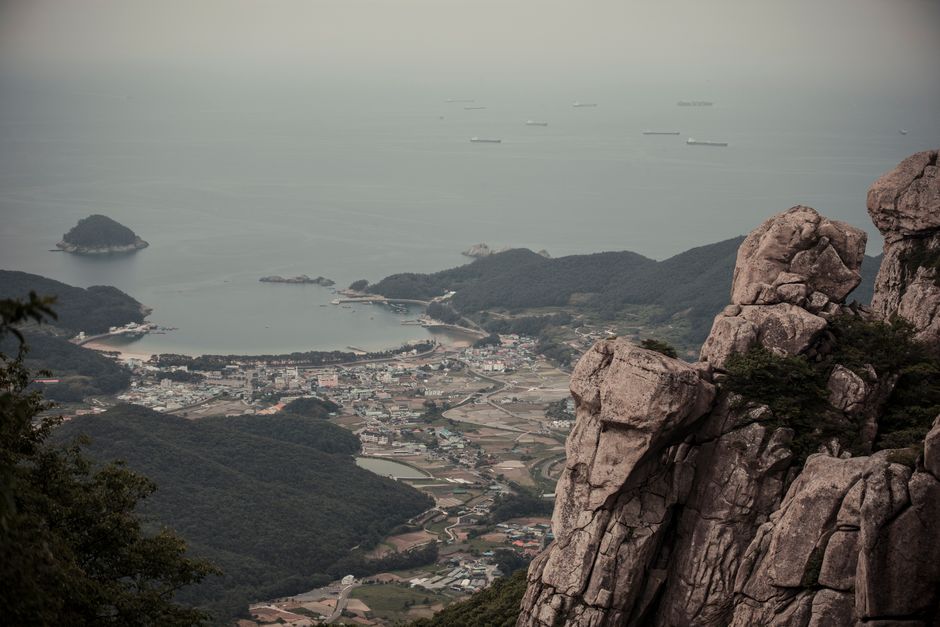
The country packs an extraordinary range into a compact geography. Ancient palaces share a city with glass-tower districts that feel like the near future. A two-hour train ride south places you on a coastline that operates at a completely different rhythm. The food culture alone, from street stalls in Gwangjang Market to refined multi-course hansik meals, could anchor an entire trip without repeating a single taste.
This is where Korea trips go wrong. Travelers allocate a week the way they would for a European city break. But Korea is not one city with surrounding countryside. It is a layered experience that requires time to breathe. How much time? That depends on who you are, when you travel, and what kind of trip you actually want.
Five Days: The Floor, Not the Plan
Five days in Korea is possible. It is not a wasted trip. But it is essentially five days in central Seoul, and even then you will feel the edges pressing in. You can walk through Gyeongbokgung, wander Bukchon's alleyways, spend an evening along the Han River, and move through several distinct neighborhoods. You will leave with real memories.
What five days consistently misses is the transition point. The moment when a place stops feeling like a destination and starts feeling like somewhere you understand. Five days rarely allows for the afternoon with no agenda, the discovery that happens when you follow a market smell down a side street, or the unhurried dinner that stretches long because the conversation found its own pace.
Think of five days as the minimum for a meaningful first impression. If that is all your schedule allows, a tightly designed private itinerary can extract the best of it. But most travelers who do five days come home already thinking about what they missed.

Seven Days: The First Real Threshold
Seven days changes the quality of the experience in a measurable way. You still have Seoul as your anchor, but you are no longer racing through it. You can give a full morning to one neighborhood instead of trying to cover three. You can return to a place that caught your attention on day two. The city starts to feel navigable rather than overwhelming.
The real unlock at seven days is the single excursion. A day trip to the DMZ gives the trip historical weight that Seoul alone cannot provide. A morning at Nami Island or an afternoon at Suwon Hwaseong Fortress adds a different texture to an otherwise urban experience. Families often find that one well-placed day outside the city becomes the moment everyone remembers most.
Seven days is the threshold where Korea begins to feel intentional rather than rushed. It is also the length that works best for most first-time visitors who want to understand the country rather than simply pass through it.
Ten Days: When Korea Stops Feeling Like a Highlight Reel
At ten days, something shifts. The trip stops being a sequence of attractions and becomes an experience of actually living inside a place for a while. You have enough time in Seoul to go deep into two or three neighborhoods rather than skimming across ten. You have mornings where you can simply walk without a destination.
Ten days also opens the south. Jeju Island's volcanic coastline, the temple trails around Gyeongju, the intimate hanok village lanes of Jeonju. These are not secondary stops you visit because you ran out of things to do in Seoul. They are the places that give Korea its full range and bring a completely different quality of light, pace, and flavor to the overall trip.
The pacing at ten days allows for genuine cultural immersion. A cooking experience that takes half a day. An evening in a local neighborhood untouched by heavy tourism. A slow morning at a market with no agenda except to see what is there. This is the version of Korea that people describe when they say the trip changed something in how they see travel.

How Season Reshapes Every Itinerary
The answer to how many days you need is also a seasonal question. Spring cherry blossom season concentrates crowds into a narrow window that makes even a seven-day trip feel compressed. If you are planning around blossoms, build in buffer days. An itinerary that looks comfortable in October can feel pressured in late March.
Summer in Korea is hot and humid in a way that reshapes how you move through the day. The evening energy across the city is extraordinary. But midday in July calls for a different kind of scheduling, with cooler indoor spaces and coastal excursions that take advantage of the water. Autumn is often the most forgiving season for any trip length. The air is dry, the foliage turns mountain trails vivid, and the light is cinematic through most of the day.
Winter opens a category no other Korean season offers: skiing. Resorts within two hours of Seoul make it possible to combine city culture with a full ski day, a trip architecture that works especially well for families and active travelers. Winter schedules do need to account for shorter daylight hours, which shifts how you plan mornings and evenings across the full itinerary.
The Private Tour Difference: Pace Is the Product
There is a version of ten days in Korea that is exhausting. Group transfers, queuing at popular sites, mealtimes dictated by a shared schedule, hotels chosen by committee. A longer trip does not automatically mean a deeper trip. The structure you put around your time matters as much as the time itself.
Private touring changes the equation. When your vehicle, guide, and schedule belong to you alone, pace becomes a design decision rather than a constraint. If a morning in one neighborhood is going better than expected, you stay. If a site does not resonate after twenty minutes, you leave. The itinerary is a plan, not a sentence.
NGT guides are young, local, and built for real conversation. They know which version of Insadong exists behind the main drag. They know where locals actually eat, not the spot that appears on every influencer feed. That kind of knowledge does not scale to a group. It is specific to the person standing next to you, and it changes what a day in Korea actually feels like.
A Simple Framework to Choose Your Length
If you are still deciding, start with your travel style rather than your calendar. First-time visitors who want a strong Seoul foundation with one meaningful excursion outside the city land naturally at seven days. Travelers who want to feel Korea rather than see it, drawn to coastal texture, regional cuisine, and slower mornings, belong at ten days or more.
- First visit or return? First visits almost always need more time than expected.
- Solo, couple, or family? Families benefit from a slightly longer buffer at every stage.
- One region deeply or multiple regions broadly? Depth requires days. Breadth requires more of them.
- Traveling in peak season? Add at least one buffer day per week of travel.
- K-culture focus or broad explorer? Themed trips can run shorter when the focus is specific.
There is no wrong answer to how many days you need in Korea. But there is usually an answer that fits your particular version of the trip better than the others. Starting with that question, before you book anything else, gives every day you have a better chance of becoming exactly what you came for.